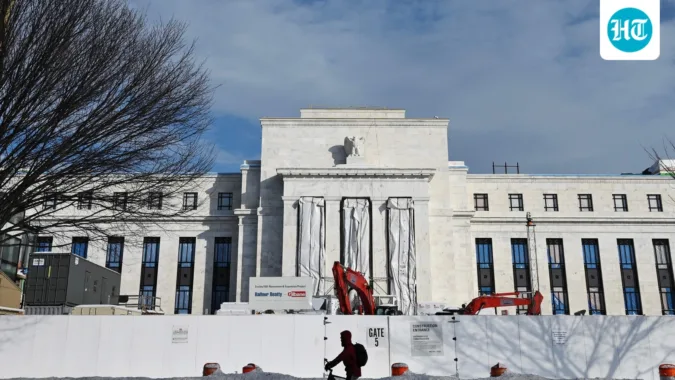
The US federal budget deficit is on track to cross $2 trillion in fiscal year 2026, making it one of the biggest shortfalls ever recorded. The deficit is growing because federal spending is rising faster than the government’s tax revenue, putting more pressure on the US government’s finances.
The nonpartisan Congressional Budget Office (CBO) said the federal government had already recorded a deficit of nearly $1.8 trillion during the first 10 months of fiscal year 2026, according to Fox Business. The fiscal year ends on September 30. The nearly $1.8 trillion deficit is $169 billion higher than the deficit recorded during the same 10-month period in fiscal year 2025.
During the period, federal spending increased by $308 billion from a year earlier, while tax receipts rose by only $139 billion. This gap pushed the deficit higher. Based on information available through the end of July, the CBO now expects the full-year 2026 deficit to reach about $2.1 trillion. That estimate is $200 billion higher than the deficit recorded in fiscal year 2025, showing that the government’s borrowing needs are continuing to increase.
Why the defimeeting timecit is rising
The CBO said government spending is being pushed higher mainly by the cost of servicing the more than $39 trillion national debt and rising costs for the government’s three biggest mandatory programs: Social Security, Medicare and Medicaid.
Also read: How the World Cup impacted the US trade deficit: Why it fell to $73.3 billion
The cost of paying interest on the national debt jumped by $117 billion, or 14%, during the first 10 months of fiscal 2026 compared with the same period a year earlier.The higher interest bill was linked to higher long-term interest rates and the larger size of the national debt, making it more expensive for the government to borrow and manage its debt.
Social Security, Medicare and Medicaid costs climb
Social Security spending increased by $70 billion, or 5%, from a year earlier. The increase came from higher average benefits after inflation adjustments and a rise in the number of people receiving benefits.
Medicare spending rose by $66 billion, or 8%, compared with a year earlier. The increase was driven by more people enrolling in the program and higher payment rates for healthcare services, according to Fox Business. Medicaid spending increased by $45 billion, or 8%, as the cost of providing healthcare per enrollee continued to rise.
Tax revenue rises, but not enough
Government tax revenue from payroll and individual income taxes increased by a combined $202 billion, or 5%, compared with the same period last year. Taxes withheld from workers’ paychecks rose by $141 billion, or 5%, as wages and salaries increased. At the same time, tax refunds paid to individuals increased by $23 billion, or 7%. The CBO linked the rise to provisions in the One Big Beautiful Bill Act (OBBBA).
Corporate income tax collections fell by $89 billion, or 23%, during the first 10 months of fiscal 2026. The CBO said the drop in corporate tax revenue was linked to provisions in the OBBBA that expanded deductions for business investments, which resulted in lower tax collections, according to Fox Business.
Tariff revenue hit by refunds
Government collections from customs duties, including tariffs, increased by $18 billion, or 13%, compared with the same period a year earlier. However, tariff collections have taken a major hit in recent months. Through April, monthly tariff collections were higher than they were a year earlier.
Net tariff collections fell sharply starting in May, when the government began issuing tariff refunds following a Supreme Court ruling in February. The CBO said the government has issued about $100 billion in tariff refunds so far, reducing the amount of tariff revenue available to the government.
The CBO said it expects 2026 government spending to remain close to the projections it made in February, meaning the bigger deficit is mainly being driven by weaker-than-expected revenue. The agency expects revenue to be about $200 billion below its February forecast, largely because tariff-duty collections have been lower than expected following the Supreme Court ruling.
Fiscal warning grows louder
Maya MacGuineas, president of the nonpartisan Committee for a Responsible Federal Budget (CRFB), said the level of federal borrowing has reached an “astounding” level. MacGuineas said a deficit that is on track to cross $2 trillion while the US economy is not in a recession is not normal. She also warned that the $2 trillion deficit is only a small part of the country’s larger fiscal problem.
The US is approaching the $40 trillion milestone in gross national debt, according to MacGuineas, who warned that the country’s fiscal situation could become even worse. MacGuineas said lawmakers need to take action instead of continuing to delay difficult decisions on government spending, taxes and borrowing, according to Fox Business.
She suggested setting a reasonable fiscal target, such as keeping the budget deficit at around 3% of GDP, and creating a bipartisan commission to work out how the US can reach that goal. Her broader warning is that the government can no longer afford to keep postponing decisions about how to control the deficit and national debt.