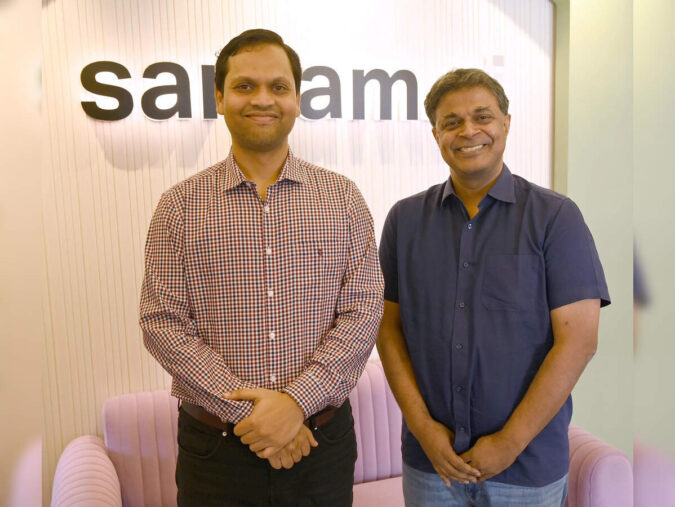
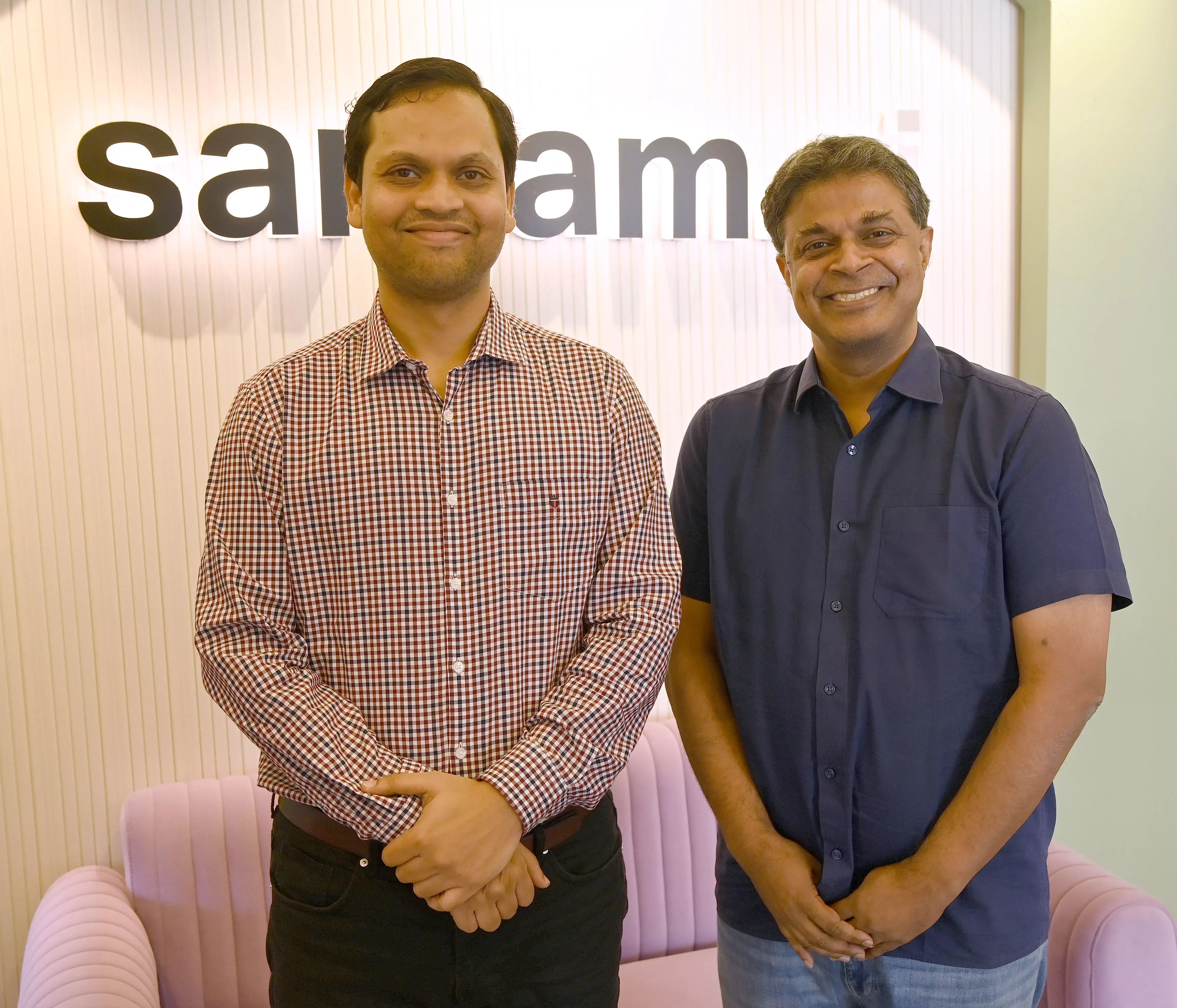
While Pixxel will design, build, launch, and operate the satellite, Sarvam will handle both training and inference directly in orbit, with full-stack language models running on board the spacecraft.
In a statement on Monday, Awais Ahmed, CEO of Pixxel, said, “Ground-based data centres are facing increasing constraints around energy, land, regulation, and scale, and the current model is becoming harder to sustain environmentally.”
He added, “Orbital data centres open up a new frontier, where compute can be powered by abundant solar energy, operate closer to space-based data, and move beyond some of the limits faced on Earth.”
The satellite, named Pathfinder, will host data centre-class GPUs, the same generation of hardware as on-ground data centres that power AI training and inference.
It will also carry Pixxel’s hyperspectral imaging camera, capable of capturing high-fidelity hyperspectral data and analysing it directly in orbit using foundation models.
“Instead of sending large volumes of raw imagery back to Earth for processing, the system can identify patterns, detect changes, and generate insights in real time. This significantly reduces the delay between data capture and decision-making, enabling faster responses across environmental monitoring, resource management, and critical infrastructure tracking,” said Pixxel in a statement.
The processing will be done by Sarvam’s models and inference platform in orbit, without any dependence on foreign cloud or ground infrastructure.
Pratyush Kumar, CEO of Sarvam, in a statement, said, “AI infrastructure is not just a software question – it is a sovereignty question. Sarvam has been building India’s full-stack AI platform from the ground up, and partnering with Pixxel allows us to extend that sovereign stack into space.”