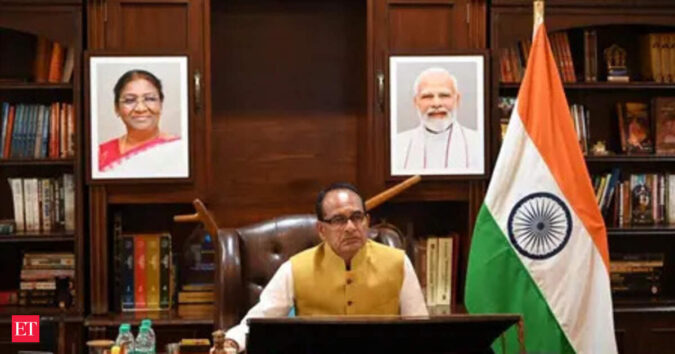
The minister said that the new legislation aims to check the sale of counterfeit and low-quality farm inputs and calls for stricter penalties against offenders. “If anyone supplies fake or poor-quality seeds or pesticides, stringent action will be taken. The existing penalties are too low and ineffective,” he said.
Also Read: EU wheat eases as supply prospects offset Iran war worries
Chouhan said the Centre has requested state governments to work on a roadmap for their states for agriculture, adding that the government has moved away from a single nationwide meeting for rabi and kharif planning to region-specific consultations, reflecting India’s diverse soil and climate conditions.
He said tailored planning would help create more effective agricultural strategies.
The minister outlined three priorities-food security, higher farm incomes and better nutrition-supported by a six-point strategy focused on increasing output, cutting input costs, ensuring fair pricing, compensating losses and encouraging crop diversification.
Raising concerns over increasing fertiliser use, particularly in Uttar Pradesh, he cautioned against excessive application due to its impact on soil health. He advocated a shift towards natural and organic farming, along with diversification into horticulture and medicinal crops.
Also Read: India’s wheat output likely at 110-120 mn ton in 2025-26 amid weather damage, says Food Secy
He also stressed the need to improve access to quality seeds, noting that several improved varieties have been developed in recent years. Referring to forecasts of below-normal rainfall linked to El Nino conditions, he said planning must account for potential water shortages.
Chouhan urged states to prepare detailed agriculture roadmaps based on local conditions, with support from scientists and the Centre. He highlighted initiatives such as Farmer ID registration to streamline access to services and called for faster enrolment.
On farm credit, he said around 75 million Kisan Credit Cards have been issued so far against an estimated 135 million farmers, and asked states to expand coverage so that more farmers can access affordable loans.