How India is weathering the energy shock

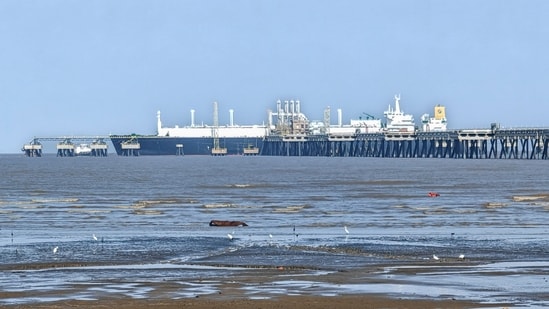
Ahmedabad: A Liquefied Natural Gas (LNG) carrier reaches Dahej Port carrying over 62,000 metric tonnes of LNG, in Ahmedabad, Gujarat, Friday, June 19, 2026. (PTI)


EARLY IN THE Gulf war, as almost a fifth of the world’s oil and gas supplies were choked off and countries all over Asia scrambled to protect their economies, India looked particularly vulnerable. Not only did it rely on imports for most of its crude oil and more than half its gas, but most of the stuff came from the Middle East. At about a week’s worth of consumption, its petroleum reserves were more tactical than strategic. Its currency plummeted, worsening the dollar-denominated pain.

Ahmedabad: A Liquefied Natural Gas (LNG) carrier reaches Dahej Port carrying over 62,000 metric tonnes of LNG, in Ahmedabad, Gujarat, Friday, June 19, 2026. (PTI)

Yet by the time America and Iran stopped (if briefly) lobbing missiles last month, India looked to be in surprisingly good shape. Analysts surveying the country’s growth prospects in the aftermath found little to worry about. Fuel prices had risen, but modestly. Inflation was under control. The currency had stabilised. As other Asian countries saw energy prices surge, mandated working from home and, in the case of the Philippines, declared a national emergency, most Indian households barely noticed any disruption. How did India do it?

One part of the answer is blind luck. India gambled early on that the conflict would end quickly. It kept petrol and diesel prices unchanged for two months. Rich countries released huge quantities of reserves, which helped keep crude prices from going stratospheric. Policymakers may have counted on that, but they could not have known—neither did anyone else—that China would substantially slash its imports. Nor could they have predicted that Donald Trump would blink when he did.

The proximate reason for holding prices steady was politics. The first missiles fell on Iran just weeks before campaigning started for elections in four states, of which one, West Bengal, was a prize Narendra Modi’s Bharatiya Janata Party (BJP) had long coveted. It was not about to jeopardise its chances by allowing a spike in energy prices—nominally market-driven but in reality controlled by the government. That extracted a heavy cost from state-owned retailers, which control most pumps. And it hit national revenues directly when the government cut excise duties on fuel to the tune of $1.5bn a month. Just as everyone expected, the first price hikes came days after election results were announced, the BJP having won its prize.

India had kept retail fuel prices high even as crude had fallen in recent years, benefiting public-sector firms. And about half the pump price is made up of taxes, a nice little earner for the government but also a cushion in tough times. Might Mr Modi have made the same bet without looming elections? Whatever the motivation, the gambit paid off. Its result was to prevent panic, check inflation and keep consumption, which accounts for some 60% of India’s GDP, ticking along.

It was not all luck. The government proved skillful in navigating markets and geopolitics once the crisis hit. State-owned refineries boosted production of liquefied petroleum gas by 30% in the first month of the war, keeping supplies flowing to households. When India’s exemption from American sanctions on the buyers of Russian oil ran out, diplomats lobbied for an extension.

India also started the crisis in a stronger position than its dependence on Middle Eastern energy would suggest. To reduce that dependence, it had spent the past decade expanding its roster of energy-supplying countries from 27 to 41. Its long-standing foreign policy of maintaining bilateral relationships across ideological blocs also came in handy. It enthusiastically bought oil from America and its vassal, Venezuela, while also pouncing on supplies from Russia and Iran. It had built sophisticated refineries capable of processing a wide variety of grades. And it had cut down on its need for oil by electrifying almost the entire 70,000km-long rail network. It hit its target of blending 20% ethanol in petrol in 2025, five years ahead of schedule.

By the time Iran and America called a ceasefire of sorts on June 17th, India’s government could take satisfaction in having minimised disruption to its economy and people. But it is not out of the woods yet. The Strait of Hormuz is closed again as America and Iran resume their exchanges of military strikes. The price of oil is creeping up. The rupee is under renewed pressure. India cannot afford to run the same fiscally punishing play. Even as it deals with the short-term challenges, its focus must be on laying the foundations for the shocks of the future. Between luck and preparation, only one is within its control.

Subscribers to The Economist can sign up to our Opinion newsletter, which brings together the best of our leaders, columns, guest essays and reader correspondence.


Source link

Leave a Reply

Your email address will not be published. Required fields are marked *