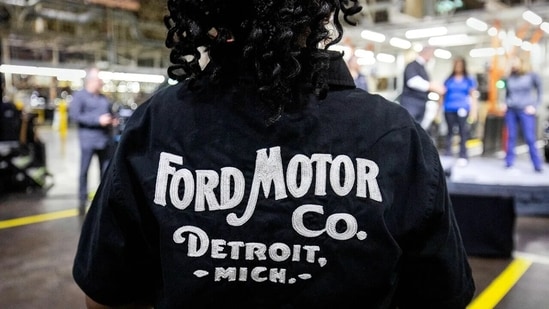
The Art Deco skyscrapers of downtown Detroit, built when money flooded into the Motor City in the 1920s, attest to the early years of America’s long dominance of carmaking. Though the industry’s centre of gravity has shifted to China, the stamp of the “Big Three” on Detroit endures. This year General Motors (GM) opened swish new headquarters. Last year Ford moved house within its home suburb of Dearborn. The American base of Stellantis, of which Chrysler Group is now part (and whose biggest shareholder, Exor, part-owns The Economist’s parent company), is still in Auburn Hills, another suburb.
Signs of confidence, or a circling of the wagons? America’s tariffs and regulatory fixes have favoured gas-guzzlers over the electric vehicles gaining popularity elsewhere. Detroit dominates the making of the giant pickup trucks and monster SUVs that Americans love, and which are highly profitable. But in relying on petrol power behind protectionist barriers, America’s carmakers risk falling behind competitors—mainly from China—in an industry that evs will one day take over.