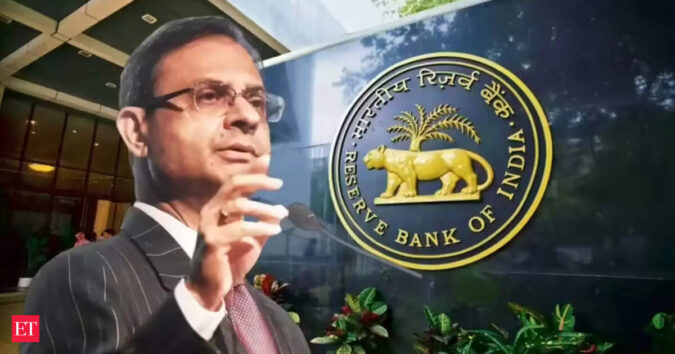
The Reserve Bank of India published the minute Friday.
“There is high uncertainty in the assumptions made for projections of both inflation and growth on account of several reasons – the duration of the conflict and the disruption in supply chains, the intensity and geographical spread of monsoons and their impact on energy, food and other commodity prices,” RBI governor Sanjay Malhotra said at the meeting.
Also read: RBI cautions against misleading campaigns promising loan waivers
Besides the West Asia conflict-led spike in crude prices, the likely El Nino impact took the centrestage in the monetary policy deliberations.
While the inflation risks were amplified, the governor underpinned the need to be data dependent and remain vigilant about inflation getting generalized, which can unhinge inflation expectations.
“We should remain watchful and wary about the generalization of inflation in the coming months,” he said, while voting for a status quo on the policy rate at 5.25% and retaining the neutral stance. The central bank projected the GDP growth for 2026-27 at 6.6%, 100 basis points lower than the 2025-26 growth rate of 7.6%. The CPI headline inflation is projected at 5.1% for 2026-27, representing a 300-basis point increase over the very benign rate of 2.1% for 2025-26.
Yet the country’s top economists wanted more clarity before committing to rate reversals.
“I feel we ought to wait a bit more for global as well as weather related uncertainties to play out over the coming months, before taking a call on whether and when to reverse the policy cycle,” Deputy Governor Poonam Gupta opined.
External MPC members were also on the same page.
“The chances of a policy mistake remain heightened given the two-way risks on the inflation-growth outlook,” said external MPC member Saugata Bhattacharyaa while Nagesh Kumar called for greater clarity on the macro economic impact before any monetary policy response.
“One needs to keep an eye on the evolving geopolitical situation in West Asia and its implications for the Indian macroeconomic outlook, especially the growth-inflation dynamics,” he said.
Most of the observed increase in inflation was on account of higher food inflation while core inflation remained contained, suggesting that underlying inflation pressures remained subdued.
Despite the challenges, the MPC members agreed that India has entered the crisis with much stronger macroeconomic fundamentals than most previous economic crises such as the global financial crisis in 2008, taper tantrum and Covid 19.
Before the conflict started at the end of February, the Indian economy was enjoying a ‘goldilocks moment’ of robust growth and very benign inflation.
These factors made the Indian economy better equipped to withstand the current shock than the previous ones, Ngesh Kumar said.