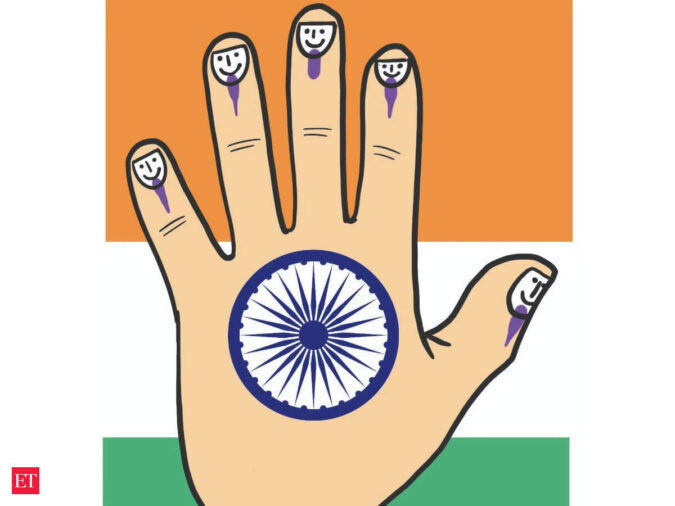
The ‘one nation, multiple elections’ framework – while leaving some more satisfied than others – ensures that everyone receives at least something. It doesn’t bestow all the benefits upon a single party. A winner may not truly be the victor and the defeated may not exactly be the loser.
Everyone receives a share, whether large or small. Furthermore, the model always keeps governments on the public radar. A wise man once said, “There are times when fear is good. It must keep its watchful place at the heart’s controls. There is advantage in the wisdom won from pain.”
The fear of losing elections keeps governments proactive and on their toes. If someone falls prey to overconfidence, any election can shake things up. These staggered polls are a blessing in disguise as people get to vent their pent-up frustrations through a seemingly simple but important act of pressing a button or ticking a box.
Multiple elections work in several ways – if the governing parties win, protesters lose energy; if the Opposition triumphs, the movement diminishes naturally; and if the Opposition manages some talking points, protesters see the glass as half full.
When politics is centred on perception, multiple elections lead to repeated sensations of power and empowerment each time someone steps into a polling booth.