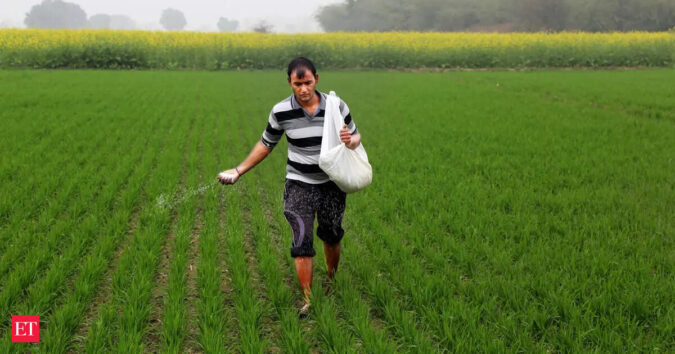
Nepal’s paddy transplantation season begins in June, increasing pressure on the government to secure supplies from friendly countries, according to a report in the Kathmandu Post.
“The government has allocated ₹28.82 billion in subsidies for fertiliser imports in the current fiscal year, initially targeting procurement of 550,000 tonnes. However, escalating global prices-largely driven by geopolitical tensions-have reduced purchasing capacity to around 440,000 tonnes,” the newspaper reported on Tuesday.
“While 250,000 tonnes are required for the plantation season, a shortfall is anticipated, putting pressure on farmers and potentially impacting yields,” the report said.
State-owned Rashtriya Chemicals and Fertilisers Limited could supply part of Nepal’s requirement.
India and Nepal had signed a five-year MoU on February 28, 2022, to ensure steady fertiliser supplies. The agreement expired on March 31, but officials in Nepal said efforts are under way to renew it. Nepal relies heavily on fertiliser imports from the Gulf, while supplies from Russia remain uncertain following decisions by banks in the country.