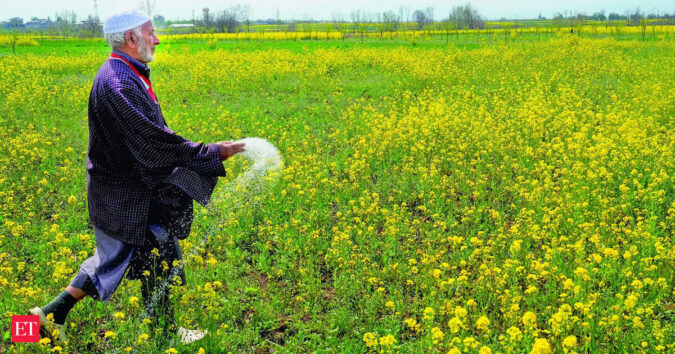
This comes after the country issued a global tender through a trading firm earlier this month for 2.5 million tonnes of urea, to bolster the reserves of the most-used soil nutrient ahead of the main planting season that begins in June.
Also read: Key fertiliser buyer India issues tender as war hits supply
Ammonia is a main ingredient in the manufacturing of urea, di-ammonium phosphate (DAP) and other complex fertilisers. The country consumes 17-19 million tonnes per annum of ammonia for the production of fertilisers, according to several estimates. Most of it is imported.
Ongoing geopolitical developments have disrupted the global ammonia market. Russia, which controls about 40% of the global ammonium nitrate trade, stopped production in mid-March after the Iran war disrupted maritime traffic through the Strait of Hormuz.
This has led to volatility in both availability and prices, in turn affecting stability of fertiliser production in India.
Also read: India raises gas supply for fertilizer firms as imports improveFertiliser demand peaks after the arrival of monsoon around June, when the planting season begins. March-April is critical for production, stocking and distribution. The kharif season, which starts in June, accounts for more than half of India’s food-grain production. Several staple crops such as oilseeds, pulses, rice, cotton, maize and sugarcane are sown during the season.
Domestic production of urea was hit after India’s top gas importer, Petronet LNG, invoked force majeure in March, warning about a reduction in liquified natural gas supplies because of the Iran war.
Natural gas is a key source of energy for the production of urea and ammonia.