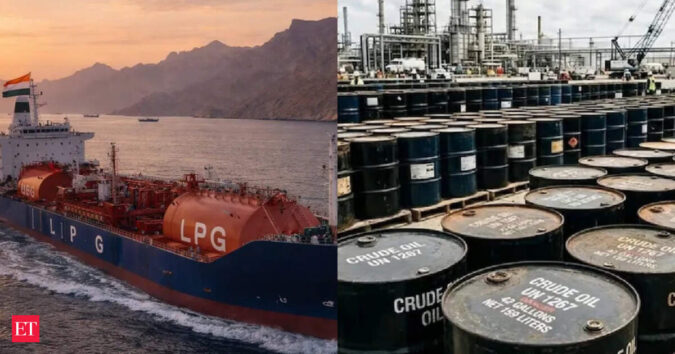
The global bank described the oil price decline as offering “disinflationary relief” for monetary policy across much of Asia, though it said this relief would play out unevenly depending on each economy’s energy dependence and inflation dynamics.
Also read: Cheaper oil, RBI support fail to lift rupee amid dollar demand
Since most Asian economies are net energy importers, cheaper crude directly lowers imported inflation and eases strain on the balance of payments, the report noted. For heavy energy-importing economies such as India, Thailand and the Philippines specifically, this gives central banks more room to shift focus toward supporting growth rather than containing inflation.
By contrast, Standard Chartered expects regional monetary policies to stay divergent rather than move in lockstep. It flagged that economies including South Korea and Singapore are still facing demand-driven inflation tied to the AI investment boom, which could keep their central banks holding rates higher for longer even as India and similar economies gain more easing room.
The bank also called the drop in energy prices supportive for regional risk assets and local-currency (LCY) bonds more broadly.
Also read: RBI backs crypto containment and keeps ban on table, officials tell house panelOn the risk side, Standard Chartered pointed to a brewing weather threat that could reverse these gains: it estimated a 63 per cent probability of a “Super El Nino” forming in the fourth quarter. Such an event could hit agricultural output through extreme heat and drought, while simultaneously driving up demand for air-cooling, a combination that could push energy prices back up and revive inflationary pressure across the region.
With inputs from ANI