This follows rising concerns after in the last few years, the number of Indian spice shipments returned from foreign ports due to the presence of carcinogenic substances has risen. Countries set different Maximum Residue Limits (MRLs) for pesticides, leaving Indian exporters grappling with inconsistent standards and complex compliance.
Paswan also underscored the historical importance of spices in India’s trade legacy and highlighted the vast untapped potential of the sector beyond traditional culinary use.
For context, India exports over 225 spices and value-added products to around 200 countries, worth more than $4 billion, according to the Spices Board of India. The domestic market exceeds $10 billion, making India the world’s largest spice consumer. Key exports include chilli powder, cumin, turmeric, cardamom and mixed spices, with asafoetida, saffron, anise, nutmeg, clove and cinnamon also significant. China, the United States and Bangladesh are the top markets for Indian spices.
The Union Minister emphasised that India must now transition from a volume-driven approach to a value-driven ecosystem, leveraging food processing, innovation, and global market integration. Highlighting key initiatives, Paswan noted that 100% FDI in food processing and schemes such as Pradhan Mantri Formalisation of Micro Food Processing Enterprises (PMFME) are aimed at strengthening the value chain and promoting entrepreneurship.
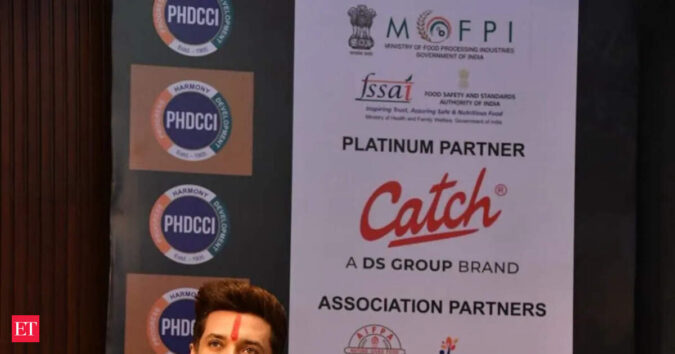
Meanwhile, the event brought together key stakeholders from government and industry to engage in focused deliberations on policy, trade, and innovation required to strengthen India’s spice sector and expand its global footprint.
Speaking at the event, Smita Sirohi, ICAR National Professor, MS Swaminathan Chair, said, “Over 13,800 spice shipments were rejected globally last year, with India accounting for more than 6,800. The core issue is pesticide residues, especially ethylene oxide, which has triggered EU alerts and damaged India’s reputation. Fixing this requires coordinated action by industry and regulators to address root causes, invest in research, and align with global standards.“At the farm level, improving quality starts with better soil health, mandatory testing, and balanced nutrient use. The widespread misuse of pesticides, often unregulated, mislabeled, or over-applied, remains a major risk. Stronger regulation, farmer education, and controlled sale of agrochemicals are critical. A combined approach, integrating traditional farming practices with modern agri-tech, can drive safer, sustainable, and export-ready spice production,” added Sirohi.
India must shift from volume to trust, she said, stressing global recognition and stronger implementation of GI tags, alongside a move from raw exports to branded, value-added products tailored to global tastes.