An incredibly dysfunctional approach of India’s politics and administration is most visible in the conversations around air pollution. Watered-down readings from air quality monitoring stations don’t match what our eyes see or the lungs feel. There is no solution for stubble burning in all these years (though there’s enough ingenuity to skirt around satellite detection) and haphazard measures such as restricting pre-BS6 standard vehicles from entering Delhi (though that’s only for vehicles not registered in Delhi, ones registered in Delhi are fine). I will refrain from any extensive commentary on policy measures and political will, but instead point towards workable solutions at least within the confines of your home.
Previously, on Wired Wisdom: Lumio’s bookshelf speaker aura, GM Modular’s smart chargers, and expensive tech
🗒️ Catch your breath: I’d strongly suggest you wear a good N95 mask whenever stepping out of home. The Nirvana Being Airific 2.0 N95 masks (some options also have a fit-altering loop behind the ear), and BreatheEasy Labs’ Karbon Mask are two of the better options you’ll find. Quite simply, wearing a high-quality N95 mask is important during high air pollution because it filters particles down to 0.3 microns, including hazardous fine particulate matter like PM2.5 (dust, soot, smoke, and microscopic toxins) that can penetrate lung tissue and enter the bloodstream.
Back to the subject now. In our conversation this week, we will look at three key things: decoding air quality in homes and how to pollution-proof the indoors, key tips to draw maximum purification efficiency from a purifier you’ve just bought, and the best options to buy for different room sizes.
Bookmark the HT Pollution Dashboard for the latest AQI data and contextualising air quality data for the National Capital Region.
What can an air purifier do? Air purifiers have a series of filters—a pre-filter for larger particles, followed by a HEPA or high-efficiency particulate arrestance filter for smaller and deadlier pollutants, and then an activated carbon layer for airborne bacteria and volatile compounds. The fan inside allows the purifier to pull the air through this filter layer that captures pollutants, particulate matter and allergens, and returns clean air to the room through a large vent. Depending on the design, this could be at the top, or front-facing.
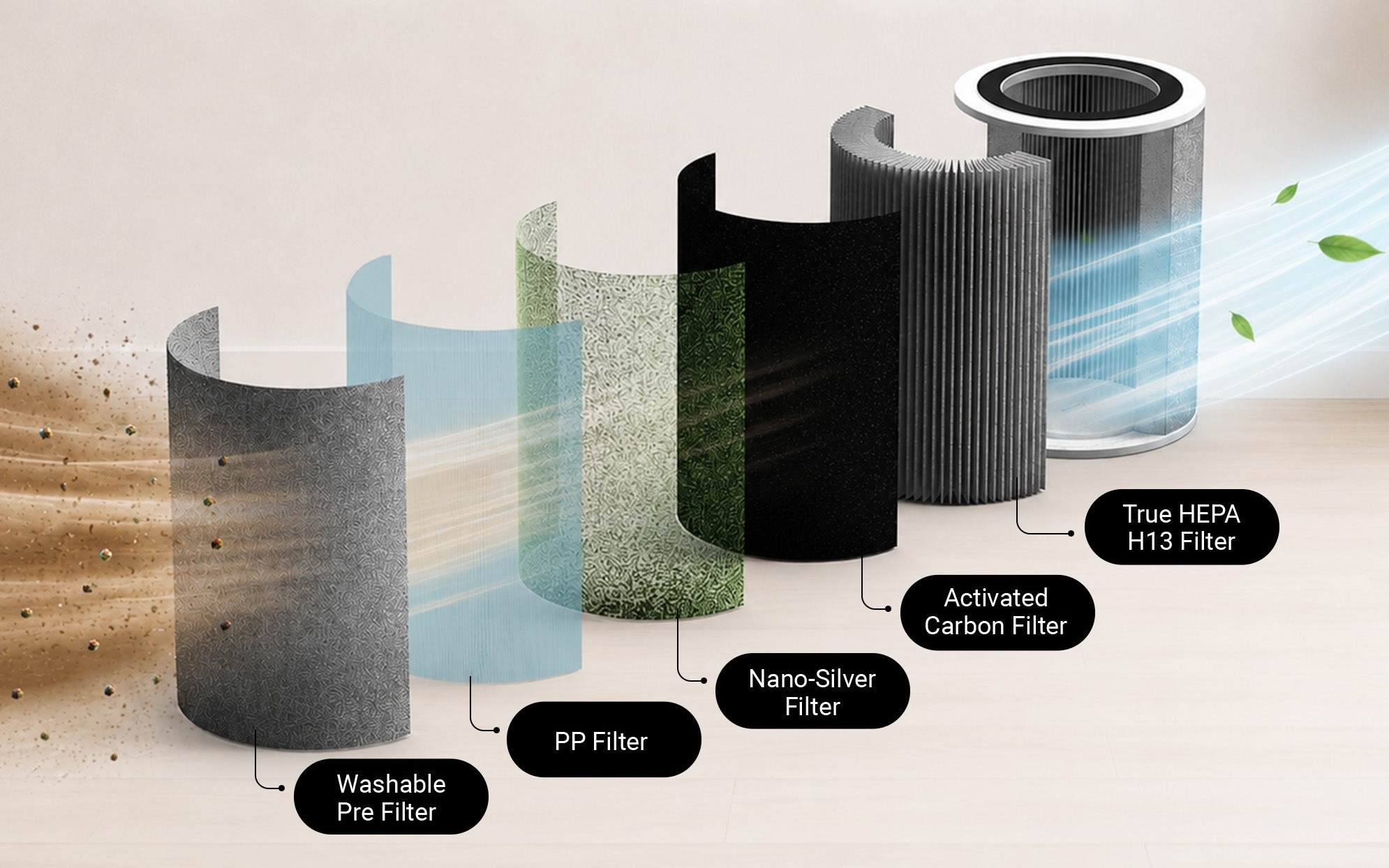
Most air purifiers can capture airborne particles larger than or equal to 0.3 microns. A micron is the standard unit for measuring the size of air particles. Each micron is 1/25,400 of an inch or one millionth of a metre. HEPA filters have ratings; higher-spec H13 and H14 HEPA filters are considered medical grade, meaning they can capture airborne particles as small as 0.2 microns. A few years ago, these were reserved for more expensive purifiers, but they’ve become commonplace in more affordable ones since.
The right fit, and a place in your home
- An air purifier has to be the right fit for the space you wish to use it in. Too small a purifier in a large room, wouldn’t work. And a large purifier in a study, for instance, would be overkill. Equally, a compact purifier in a living room, would be ineffective. The best way of going about it is to generally match the size of your room and the coverage area of each purifier—this is usually mentioned in square feet (sq. ft), and gives a fair idea of what works in which room size.
- Air purifiers work in the room they are kept in. If you keep one in the living room and expect clean air in the bedroom too, that will not happen. You simply must buy one for each room. Placement is important too. You should leave space on all sides of the purifier for clear intake, and not keep furniture too close to it. Some purifiers have intake vents at the back, some have them on the sides. Basically, don’t place them too close to any furniture or the wall.
- All air purifiers have HEPA (high-efficiency particulate arrestance) filters. The thick filter captures airborne particles. Many purifiers have additional filters, such as a pre-filter to capture larger dust particles, and activated carbon filters, to capture allergens that may get through the HEPA filter.
- Filters are vital material. The quality of filters defines performance. While it’s impossible to judge how efficient one is till you use it specifically in your home’s specifics, you could (before buying) try holding up the filters to understand their thickness. If it feels flimsy, it is probably best to avoid it. A dense filter traps particles more effectively.
- If there is a pre-filter to collect the larger particles of dust, this will significantly improve the life of the HEPA and activated carbon filters by preventing dust from getting lodged in them. Pre-filters are easily washable, while HEPA filters cannot be washed and need to be replaced. Depending on the brand and air purifier model, replacement filter sets can cost from ₹1,500– ₹15,000.
- Filter life will also depend on how polluted the air inside your home is. On average, HEPA filters can last anywhere between 6 months to a year, depending on the levels of pollution, particulate matter, and dust in your locality.
Maintaining an air purifier
There is now enough variation in the air purifier space, that different models require different levels of monitoring and maintenance.
“During peak pollution season, an air purifier can be working harder and for longer, so regular maintenance is important. Keep air inlets, outlets and sensors clear of dust, ensure airflow around the machine is unobstructed, and regularly monitor filter life. Filters accumulate dust, allergens and other particles over time. Replacing the filter when prompted helps the purifier continue to perform effectively and keep your air clean,” Stuart Thompson, a Dyson Engineer, tells HT.
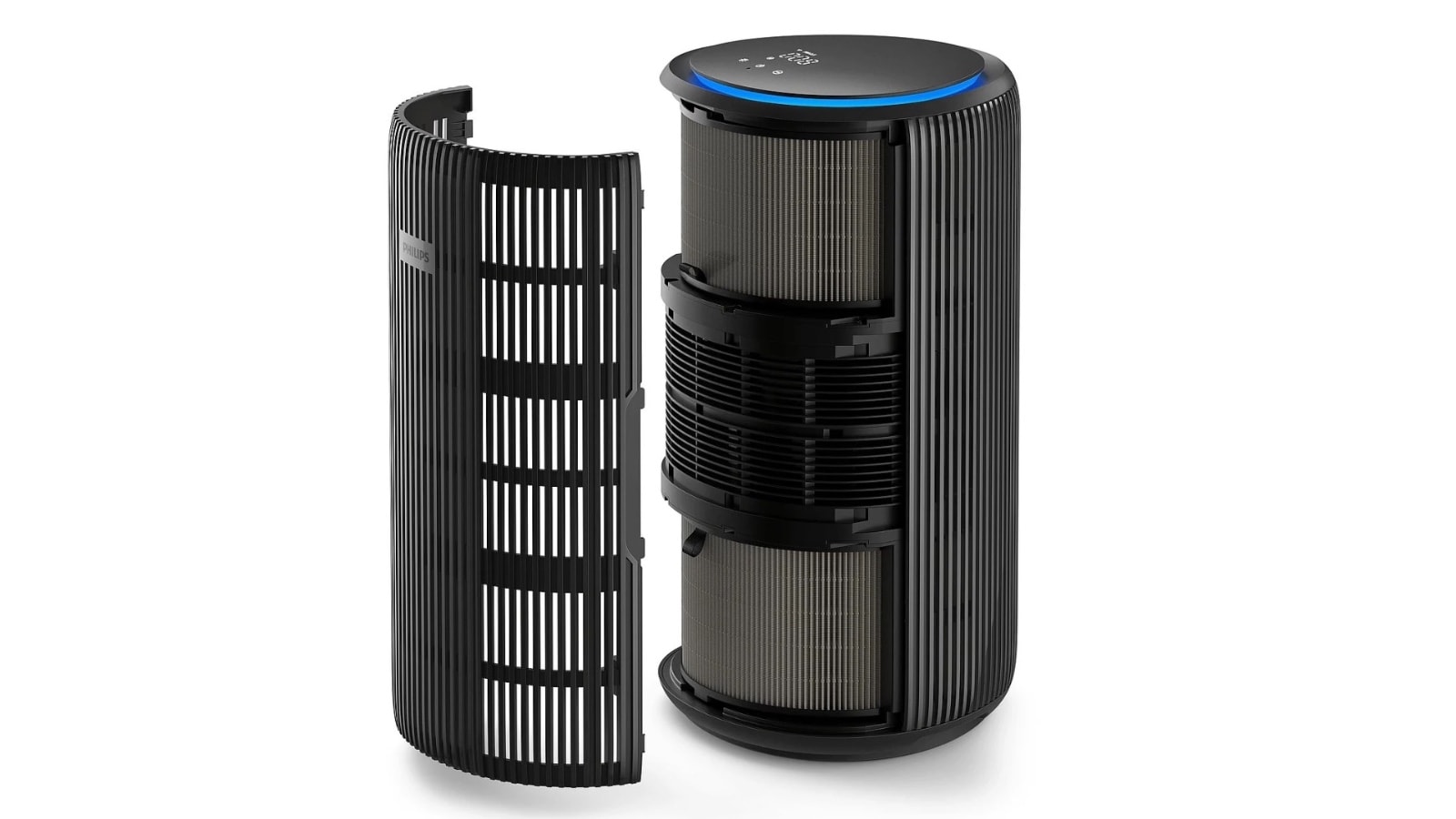
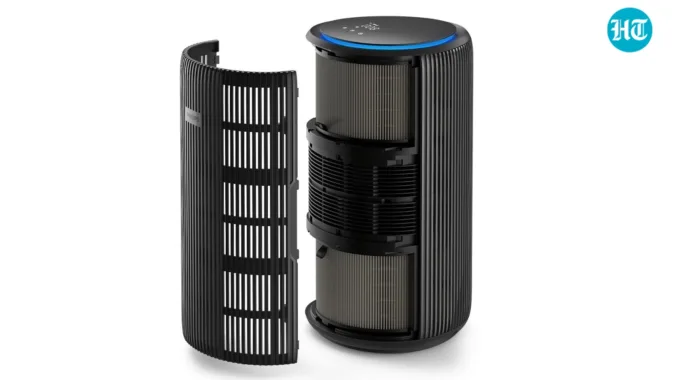
The HEPA filters with fine sieves can at best be very carefully cleaned with a vacuum cleaner once, while Nirvana Being’s MESP purifier replaces HEPA with a Micro-electrostatic Precipitator or MESP filter, reduces cost of filter replacement by making this filter washable. Eventually, they must be replaced—smart purifiers have a companion app that’ll notify you, the rest will have a warning on their displays. But what stays consistent across is monitoring for unobstructed air intake and outlets, and also that the sensors on the purifier aren’t laden with dust.
The latest, on Neural Dispatch: India’s strategic blueprint, challenging AI’s financial sustainability: AI views from HTLS 2026
HT Wired Wisdom’s top air purifier picks
Not all air purifiers for your home, are equal. Irrespective of claims by brands making them, or the often dodgy reviews on e-commerce platforms. Based on what I have tested in recent years, I put together the top picks for different rooms and usage scenarios in your home.
Winter uniqueness: Air purification and heating
Who doesn’t like simplification and versatility? If your heater and air purifier can come together, though it seems harder than imagined…
Dyson Purifier Hot+Cool series: This is a unique category still, a few years after I had first questioned why is it so difficult to make an air purifier that’s also a heater. At that time. The Philips 2000 Series 3-in-1 (AMF220/35) was still in the fray, but not anymore. Dyson has two options at present: the HP1 and the HP2, with the latter also able to eliminate formaldehyde (common causes in homes include gas stoves, pressed-wood furniture and cleaning agents). Prices start at ₹56,900.
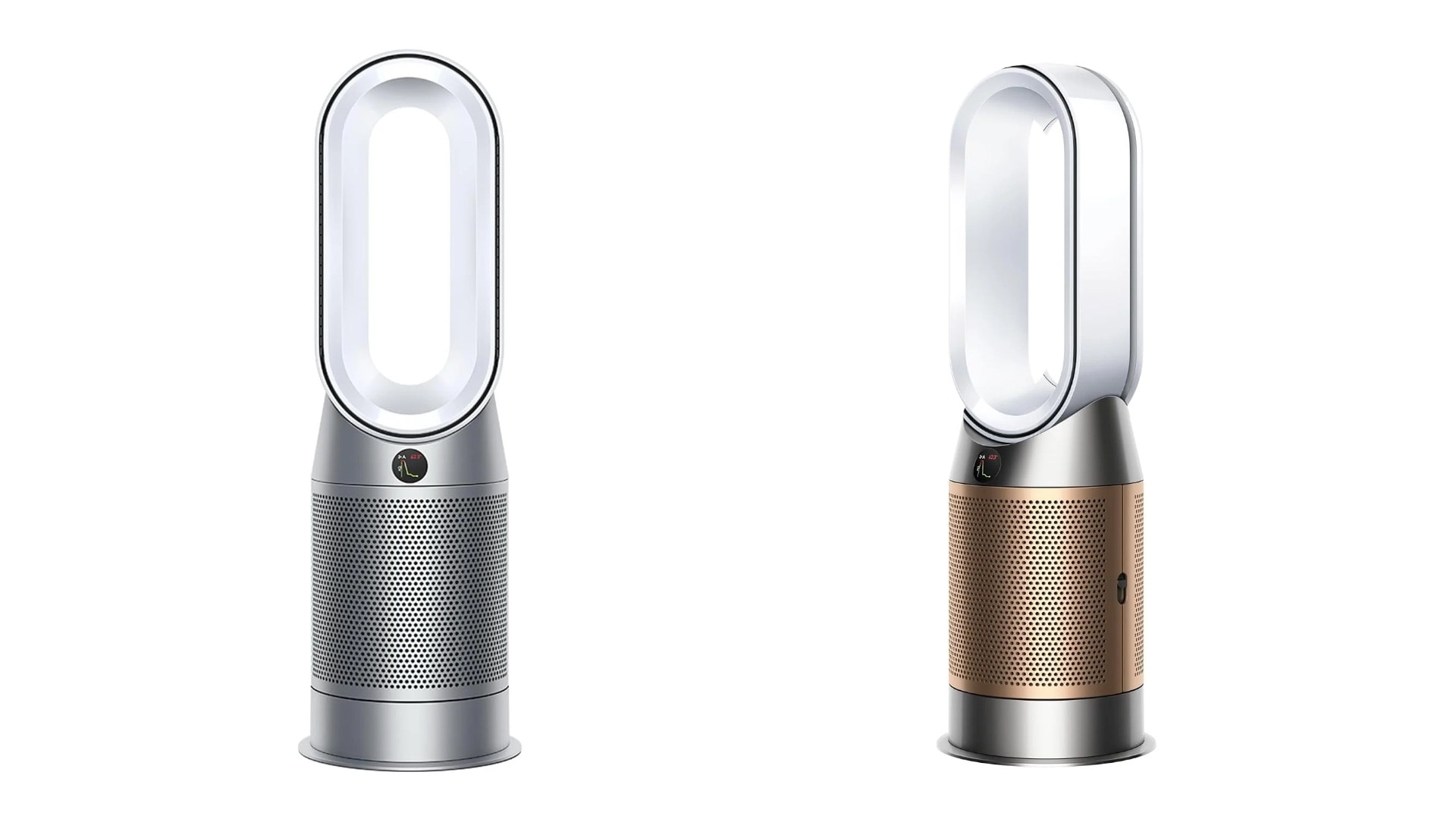
Dyson has used Positive Temperature Coefficients (PTC) heating elements and they achieve the room’s target temperature much faster than metallic coil or convection heaters. Once that’s achieved, they power down quickly for more efficient operation. The heating capabilities in addition to typical Dyson air purification brilliance, are a genuine value addition during winters.
Comfortable sleep: For bedrooms and a child’s room
Key buying reasons: Silent operation, quick dispersion of clean air
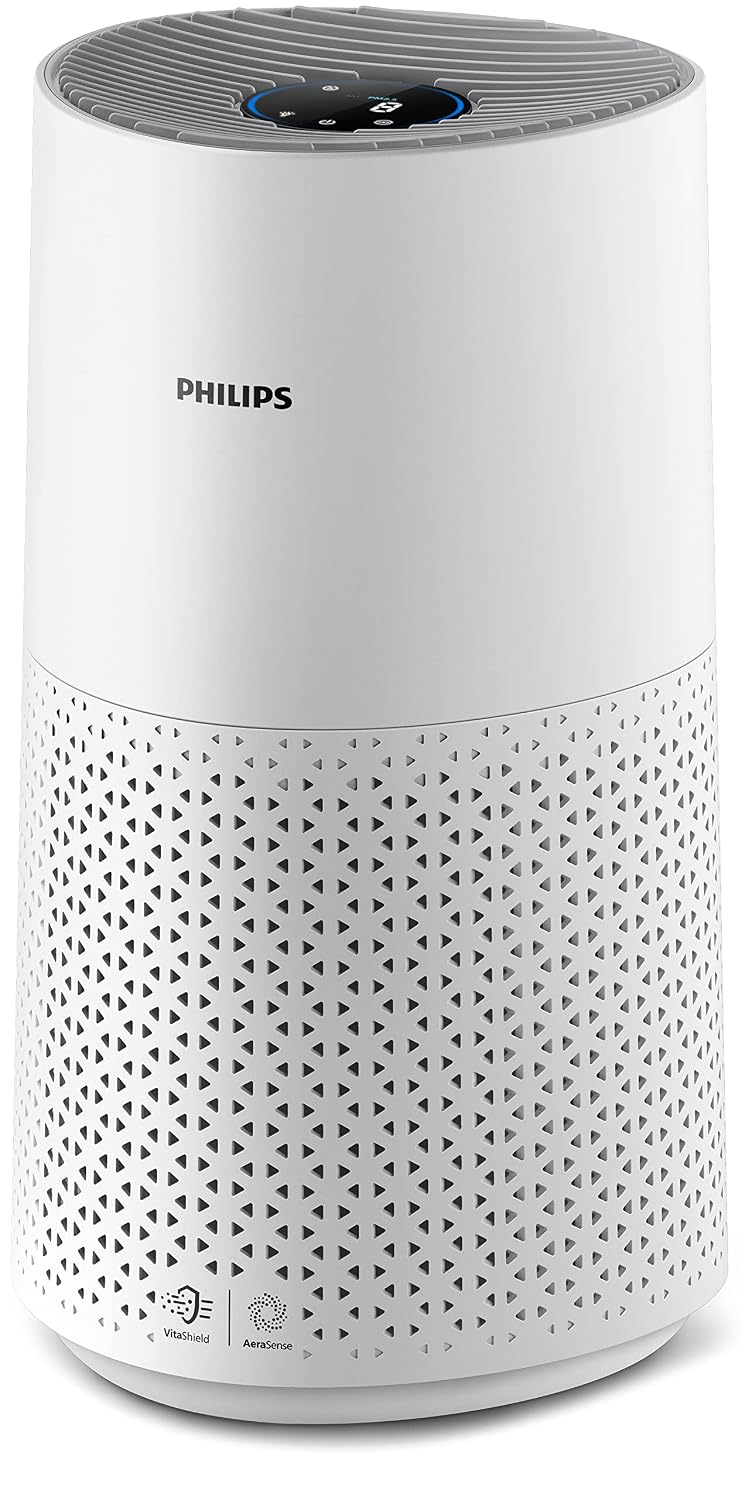
Philips 1000 Series AC1711/63: At around ₹14,399 current market price, the Philips AC1711/63 delivers more than its share of the value. A reliable workhorse that’s been tested in Indian conditions for a while. A high-quality filter set, silent fan, and effective purification quickly work in its favour. That’s really what you need, when the AQI spikes early in the morning, while you sleep.
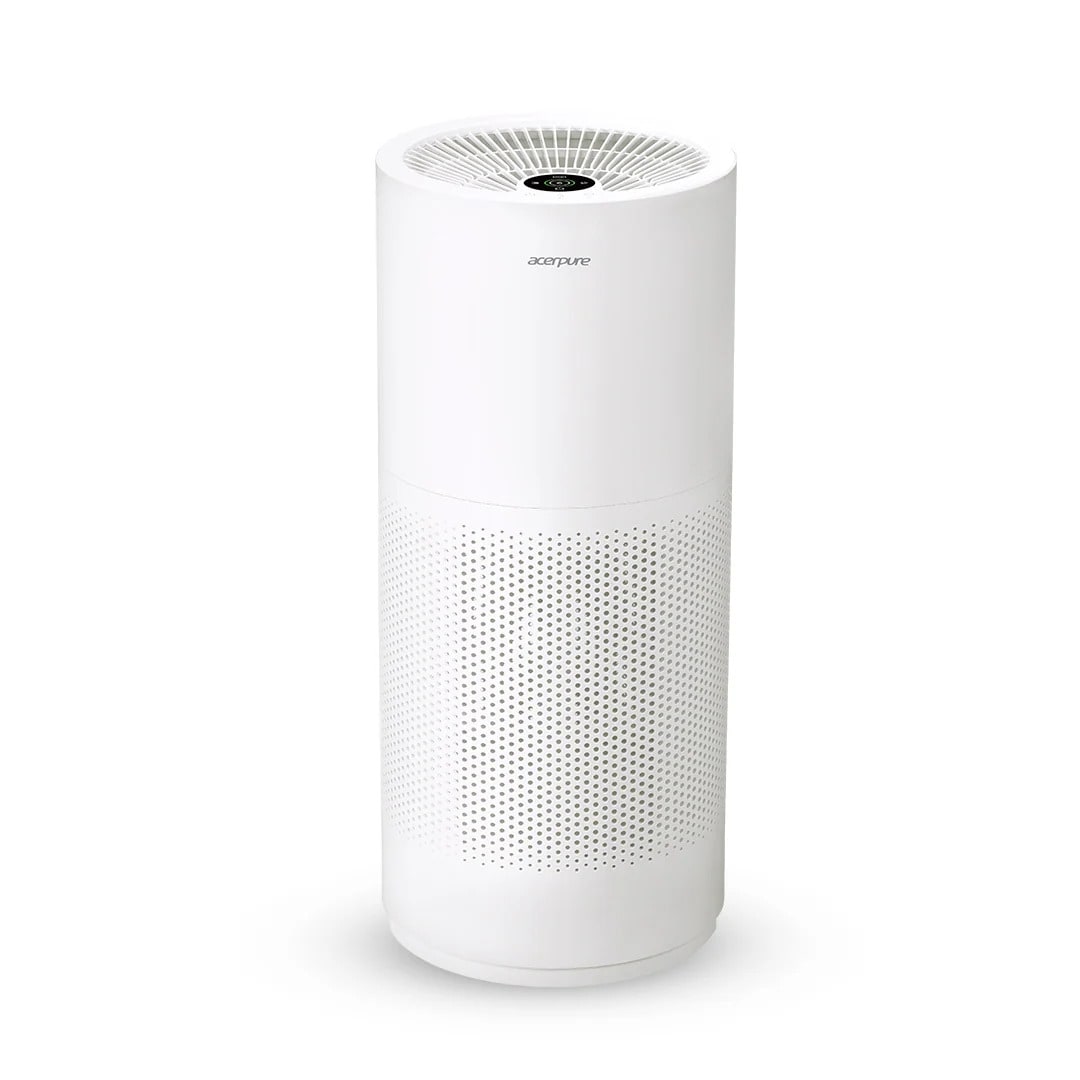
Acerpure Pro Classic (AP352): Selling at around ₹14,990 for now, and the Acerpure Pro Classic is just right for the bedroom and perhaps even a living room that isn’t too large. In our tests, with outdoor AQI well above 700, this managed to keep an active medium sized room at a much healthier AQI of around 70 in Smart Mode, confirmed with an external air quality metering device.
For living, dining and larger spaces
Key buying reasons: Effective clean air throw to cover a large area, big filters, smart app connectivity
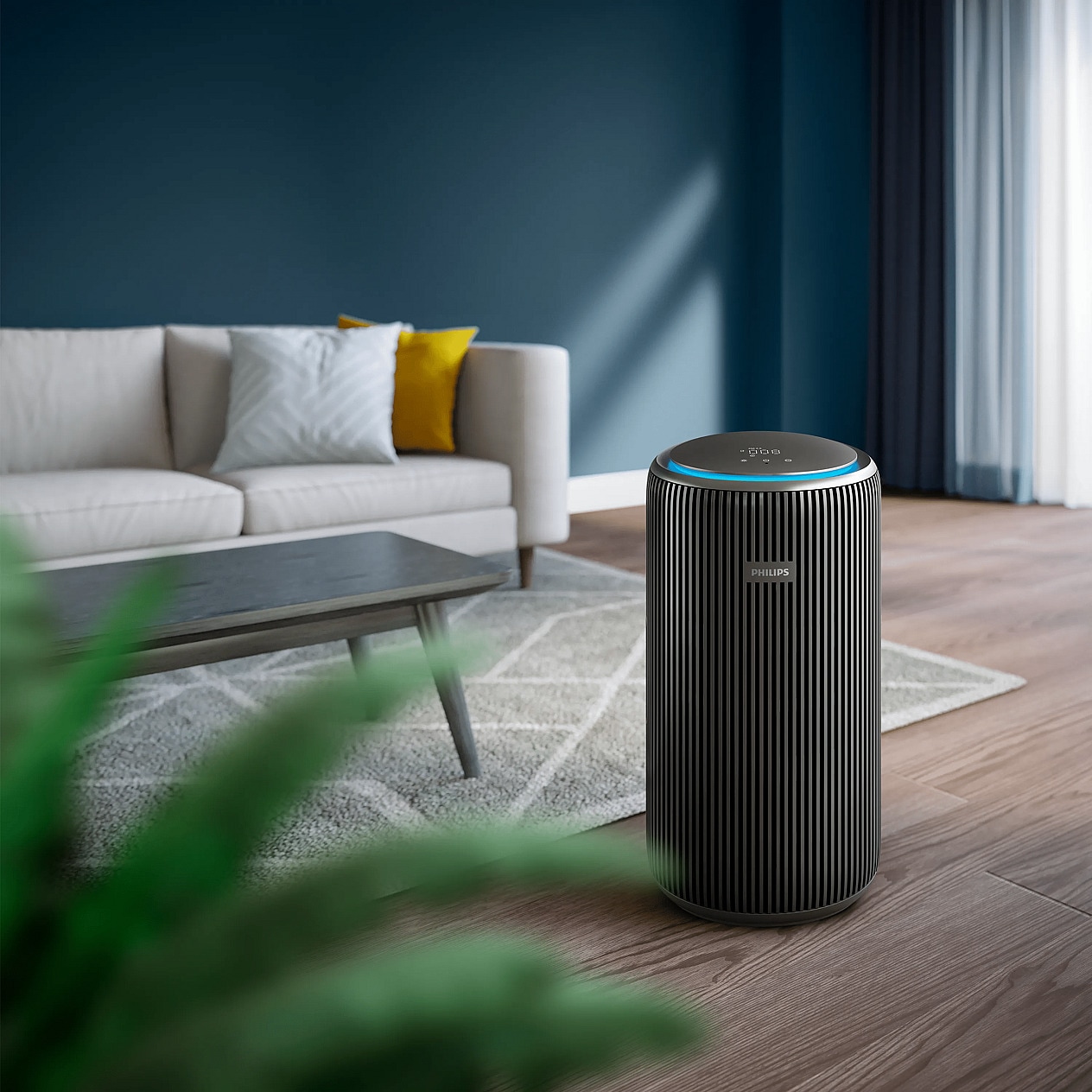
Philips PureProtect Pro 4200 Series AC4221/61: I had noted in my review a while ago that the Philips PureProtect Pro 4200 Series delivers on the potential with substance powerful enough to single-handedly tame the airborne pollutants in a large indoor hall that’d be in the whereabouts of 370 square feet (in most home layouts, the living and dining room combination typifies this).
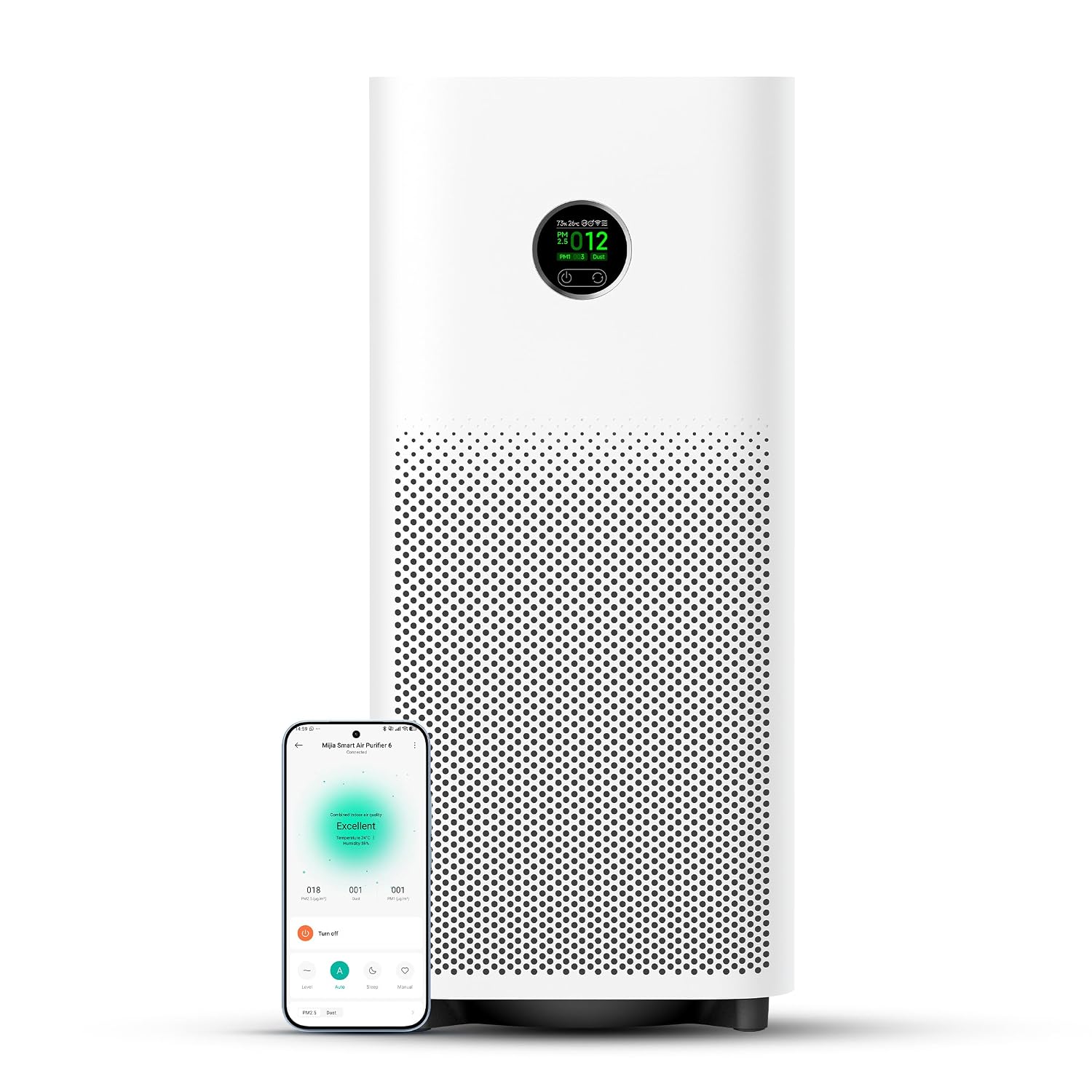
Xiaomi Mijia Smart Air Purifier 6: Xiaomi’s gravitas in the air purifier space is the reason why the company introduced the Mijia smart home brand in India, with the Mijia Smart Air Purifier 6. It is priced around ₹17,999 and also good enough to cover larger indoor spaces because of the five-stage filtration process that adds a still rare UV-C sterilisation to a high-quality filter.
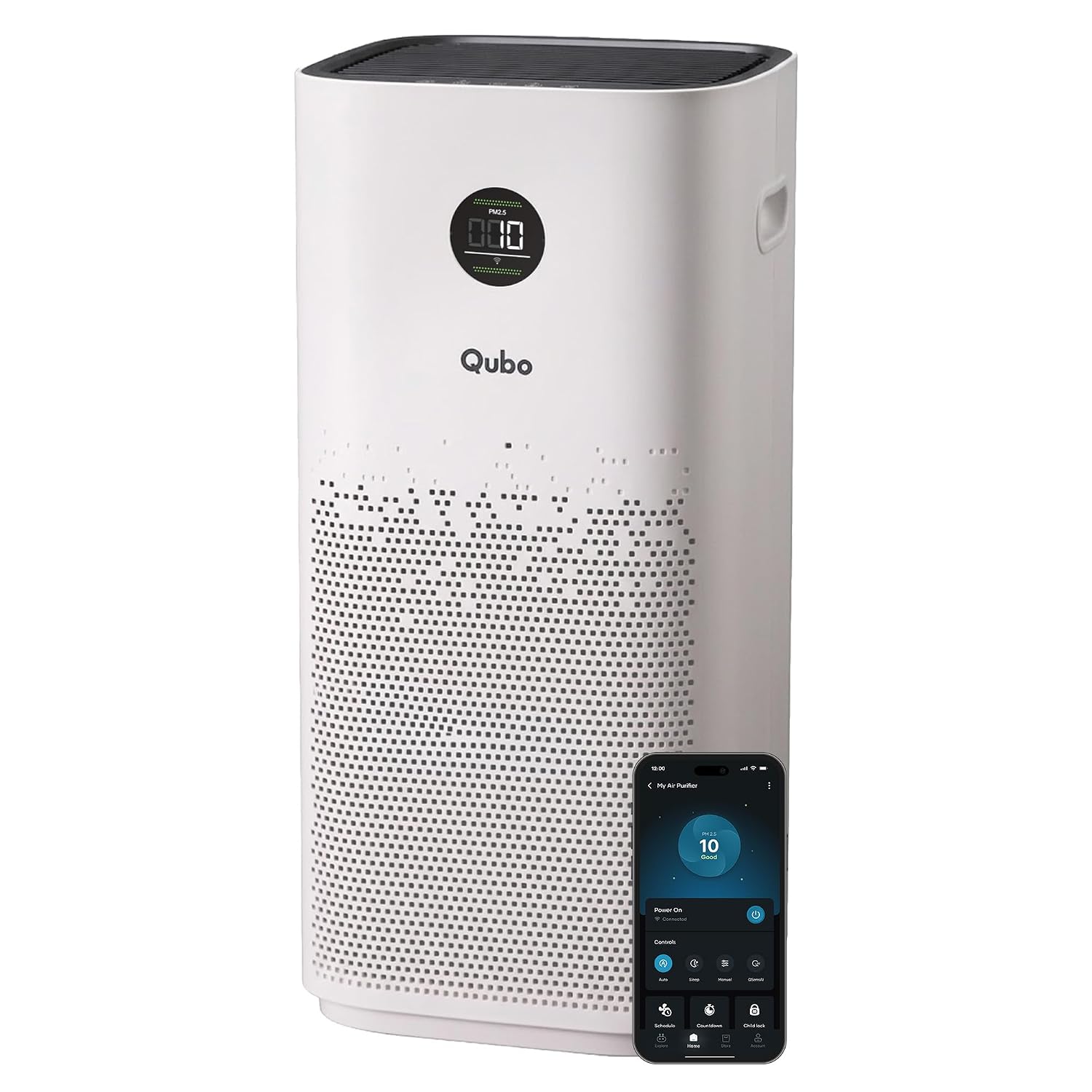
Qubo Q1000: This Indian technology company has done a fantastic job with the Q1000 purifier that has a solid troika of a high quality HEPA H13 filter, silent BLDC fan, and neat smart app functionality, to deliver fast and sustained air purification. The QSensAI feature is a smart take on the ‘auto’ mode, and it is very responsive to any detected changes in the room’s air composition.