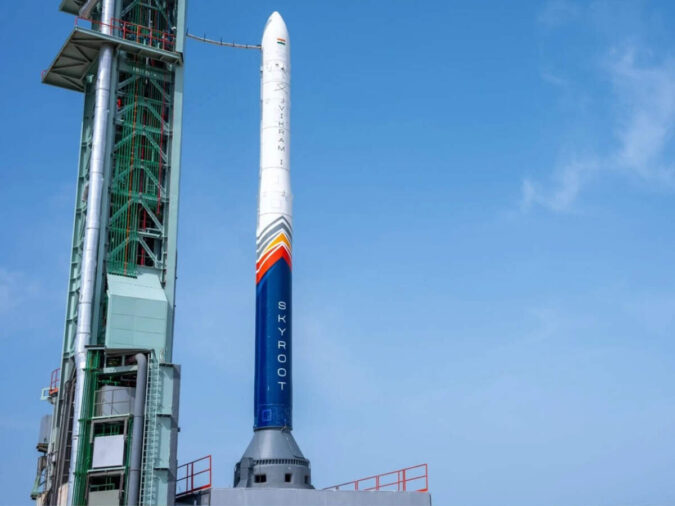
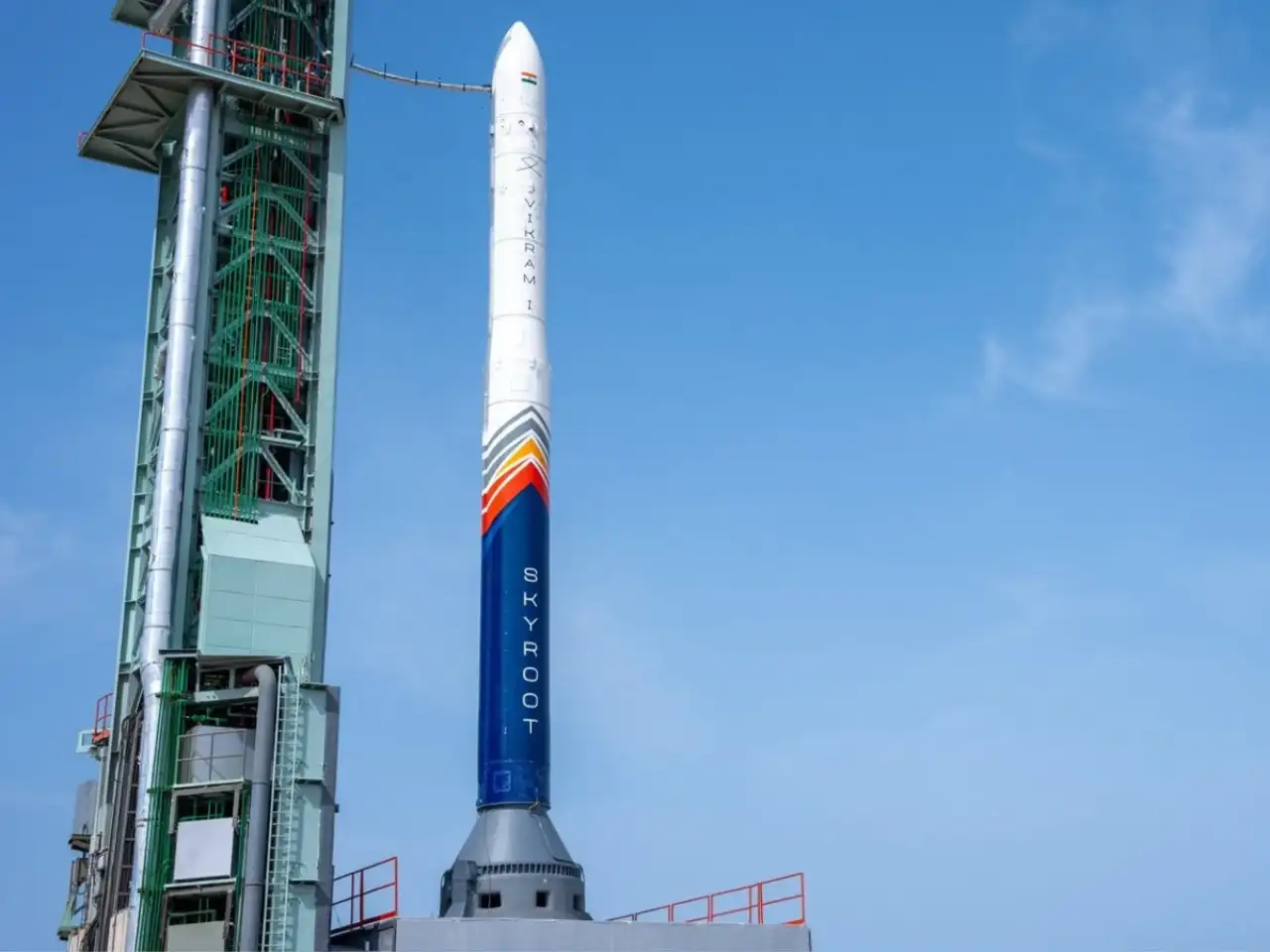
The mission, called Aagaman, marks the culmination of years of development for the startup, which had earlier flown the sub-orbital Vikram-S in 2022. Prime Minister Narendra Modi congratulated the Skyroot team shortly after the launch, calling it proof of India’s push toward self-reliance in space technology.
With this mission, Skyroot enters an exclusive club of companies capable of putting payloads into orbit on their own rockets. The list is still dominated by a handful of players worldwide.
1) SpaceX remains the benchmark, flying the reusable Falcon 9 and Falcon Heavy rockets, the most-flown and most reliable commercial launch vehicles today, while also pushing ahead with test flights of its massive Starship.
2) Rocket Lab has carved out a niche with its Electron rocket, offering frequent, dedicated rides for small satellites from launch sites in New Zealand and the US.
3) In the heavy-lift segment, United Launch Alliance is a joint venture between Boeing & Lockheed Martin, which operates the Vulcan rocket for government and commercial payloads.
4) Jeff Bezos’ Blue Origin has developed its own heavy-lift vehicle, New Glenn, for orbital missions.
5) Firefly Aerospace is the last American company with its Alpha rocket, built to deliver payloads to low-Earth orbit.
6) China has two companies — LandSpace, a private company operating the methane-liquid oxygen Zhuque-2 rocket, and ExPace, a subsidiary of state-owned CASIC that runs the solid-fuel Kuaizhou series.
Skyroot’s entry into this group is significant not just for the company but for India’s broader private space sector, which was opened to non-government players only in 2020.