India flagged off ten consignments of gems and jewellery, marine products and engineering goods, among others to Oman on day one.
Bilateral trade between India and Oman reached $11.18 billion in FY26, up from $10.61 billion in FY25.
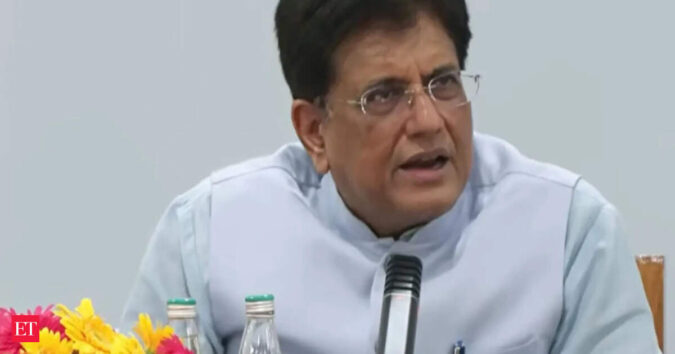
“Since we foresee a large number of Indian investments being made in Oman, where Indian materials can also be exported, further processed and serve different markets, we have agreed with the Omani side that for investments which are made by Indian companies, Indian workers will be given preferential ability to serve, in addition to whatever the Omani local resident requirements. Whatever is required for Omani nationals, other than that, they will prefer Indian workers,” Goyal said.
Also Read:India-US trade deal: Large parts finalised, talks resume June 2 in New Delhi, says Piyush Goyal
Under the Omanisation policy, the Gulf country seeks to boost the employment of its citizens in the private sector. The policy mandates companies to meet specific quotas for hiring Omani nationals. These quotas vary by sector and are periodically revised.
He said that “for the first time ever, we have secured a binding commitment to protect Indian workers in non-service sectors provided that the units are majority Indian owned”.On being asked if this pact would act as a template for negotiating trade deals with the Gulf Cooperation Council (GCC), he said: “I do believe that every agreement stands on its own feet but since there is a lot of similarity in the countries, I think this will certainly help in speeding up the negotiations with the GCC”.
He added that Oman has also committed to lifting its decades-old ban on exporting unpolished marble blocks.
India could gain greater access to Oman’s energy, fertiliser and pharmaceutical sectors, said Oman’s Foreign Trade Advisor Pankaj Khimji.
Khimji said Oman remains open to foreign companies bidding for conventional oil and gas projects in the country. He added that Oman is looking for a “win-win” partnership with India in the energy sector.