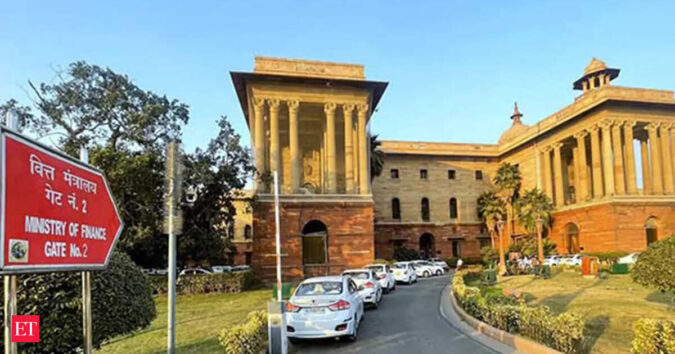
In its monthly economic review for May, the Department of Economic Affairs said the economy remains “cautiously resilient”, with domestic fundamentals largely holding up despite growing global and domestic uncertainties.
Also Read: RBI to hold rates in June; majority now expect hike by year-end: Poll
“The confluence of elevated global energy prices, a depreciating rupee, rising upstream cost pressures and the prospect of a below-normal monsoon calls for sustained policy vigilance,” the ministry said.
The assessment comes ahead of the RBI’s Monetary Policy Committee meeting next week, with the policy decision due on June 5. Expectations of a tighter policy stance have increased amid concerns over inflationary pressures and efforts to support the rupee, which touched a record low of nearly 97 against the US dollar earlier this month.
While retail inflation remained below the RBI’s 4% target in April, the ministry cautioned that wholesale price pressures have accelerated sharply, raising the risk that higher input costs could eventually feed into consumer prices.
Producer inflation climbed to a more than three-and-a-half-year high in April as elevated energy prices pushed up manufacturing costs. Data from the Ministry of Commerce and Industry showed the wholesale price index rose 8.30% year-on-year, up from 3.88% in March and well above economists’ expectations of 5.50%.Also Read: RBI’s currency printing cost falls 23.5% in FY26 despite rise in cash circulation
The ministry also warned that the fallout from the West Asia conflict poses a significant risk to India’s inflation and external-sector outlook, particularly through disruptions to energy supplies.
“The duration of the Strait of Hormuz disruption remains the ‘single most consequential variable for India’s external and price outlook’,” it said.
According to the review, higher crude oil prices, tighter global financial conditions and slowing world growth are creating headwinds for the Indian economy that cannot be fully insulated from external shocks.
“Policy will need to remain agile across monetary, fiscal, and structural dimensions to navigate this period of compounded uncertainty, external and climatic, while keeping medium-term growth objectives firmly in view,” the ministry said.