Tomato prices surged 38% y-o-y to Rs 29 per kg in April 2026 due to a 3-4% decline in production amid lower acreage in southern states.
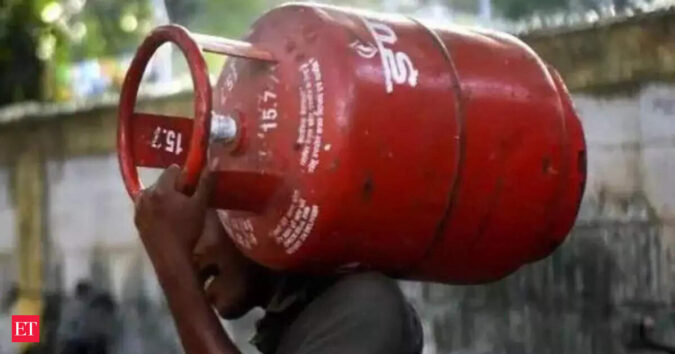
Prices of vegetable oil and LPG cylinders also rose 7% each y-o-y due to the ongoing global supply disruption.
“Tomato prices remain a major monitorable in the near term and are expected to rise during July-August, amid lower summer sowing due to weak price sentiment and concerns over heatwaves in key northern growing regions,” said Pushan Sharma, director, Crisil Intelligence.
He added that vegetable oil prices are likely to remain elevated in the short term due to uncertainty in West Asia.
The rise in thali costs, however, was partly offset by lower onion, potato and pulses prices.
Onion prices declined 16% y-o-y due to excess supply from overlapping late kharif arrivals and the rabi harvest, along with weak exports. Potato prices fell 14% as rabi output rose 2-3% and the cold storage stock was liquidated.“Onion prices are expected to remain high due to an estimated 4-6% lower production in rabi this year,” said Sharma, adding that potato is likely to become expensive as harvesting concludes and cold storage stocks begin to enter the market, which typically exerts upward price pressure.
Pulses prices declined 4% y-o-y due to duty-free imports of tur, allowed until March 2027, which is expected to offset domestic production shortfalls and ensure sufficient supply.
“Pulses are likely to remain under pressure due to higher supplies. Demand continues to be largely need-based, limiting significant upside in prices,” said Sharma.
Favourable import parity, release of government buffer stocks and steady domestic arrivals are expected to keep markets well supplied in the near term, he said.
For non-veg thalis, a 2% y-o-y rise in broiler prices, which account for 50% of the thali cost, also contributed to the uptick. The increase was attributed to higher bird mortality during the summer heatwave, which squeezed supply, along with higher prices of tomato, vegetable oil and LPG.
On a monthly basis, the cost of a veg thali remained unchanged, while that of a non-veg thali rose 1%.