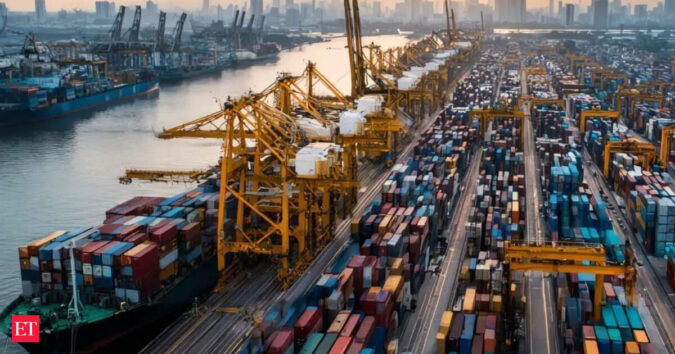
Priority is being given to disposing of perishable goods such as fruits, vegetables, and pharmaceuticals, according to sector watchers.
The ongoing conflict in West Asia has led to closure of key shipping routes in the region. Ships are also avoiding most of the region due to safety concerns. This has increased the cost of shipping goods especially to the West via the Cape of Good Hope in Africa. “Exporters are trying to take back the cargo wherever it is possible,” a government official said, adding that it is happening on a “case-to-case basis”.
While there are concerns around many ports in West Asia, the Khorfakkan port near Sharjah is accepting emergency cargo, the official said. Iran has maintained that its forces are attacking only US, Israel, and European vessels. However, exporters and shipping lines are exercising caution through a mix of high surcharges and outright cancellation of voyages.
Supply Chain Disruptions
“A surcharge of $2,000 is being imposed making it unviable to export,” an exporter said.
A Pune-based exporter of fresh fruits and vegetables said the company will examine the situation for a few days after which it will take a decision on selling its produce in the domestic market, though the latter would involve packaging costs.
“Wherever goods have been handed over to the shipping lines, they have to cover the risk and not pass it to the exporter,” said Ajay Sahai, director general, Federation of Indian Export Organisations, noting that the additional delivery charges makes shipments unviable.

He said shipping companies shouldn’t charge exporters for goods already arrived at the destination and ready for delivery as this makes shipments unviable without any risk to the former.
The Centre has set up an inter-ministerial group to assess the impact of the West Asia conflict on India’s exports, particularly supply chain disruptions.A Kolkata-based engineering exporter said that four of his containers—two each bound for Doha in Qatar and Sokhna in Egypt—are stuck at Navi Mumbai’s JNPT port. “The goods made for the West Asian market can’t be sold elsewhere as they have different specifications,” the exporter said.
“Another issue is who will take delivery of the cargo at the destination port…many exporters are taking their cargo back wherever possible,” he said.
Addressing concerns
The Directorate General of Shipping has scheduled a meeting with shipowners, charters, cargo owners, container carriers, and other stakeholders Friday. This online meeting is for consultation on concerns affecting operations particularly for Indian flagged ships or other vessels with Indian cargo. An official invite said this will help to flag major concerns and issues to the Inter Ministerial Group for Supply Chain Resilience for coordinated resolution.