GCC is India’s largest trading partner bloc with bilateral trade reaching $178.56 billion in FY25, accounting for 15.42% of India’s global trade.
Saudi Arabia, the UAE, Qatar, Kuwait, Oman and Bahrain are members of the GCC.
The statement was signed between commerce and industry minister Piyush Goyal and GCC Secretary General Jasem Mohamed Albudaiw. The two sides had signed the Terms of Reference (ToR) on February 5.
“This marks a major step toward deeper collaboration in key strategic areas, including trade in goods, customs procedures, services, digital trade, cutting-edge technologies, and enhanced investment flows between India and the six GCC member nations,” Goyal said in a post on X.
The GCC region is also a significant source of FDI for India, with cumulative investments exceeding $31.14 billion as on September 2025.
On Monday, Goyal had a virtual interaction with Canada’s Minister of International Trade Maninder Sidhu on advancing discussions related to the India–Canada Comprehensive Economic Partnership Agreement.
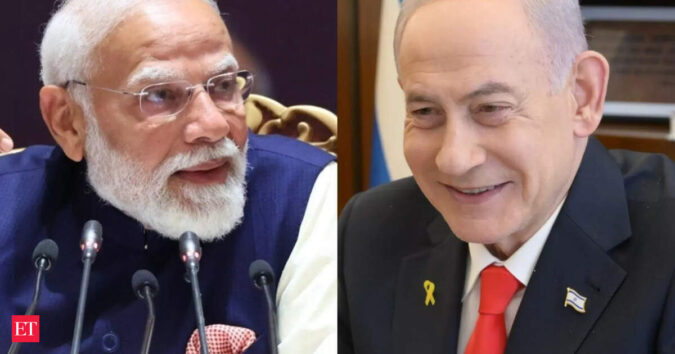
Israel FTA
In a separate statement, the government said that the first round of negotiations for the India-Israel FTA is being held from February 23-26 wherein the two sides will engage in sessions covering trade in goods, trade in services, rules of origin, sanitary and phytosanitary measures, technical barriers to trade, customs procedure and trade facilitation, intellectual property rights, among others.
The ToR for the deal were signed in November 2025 establishing a structured framework for discussions on identified areas to enhance trade, and economic cooperation.
Total merchandise trade between the two countries stood at $3.62 billion in FY25.
“India and Israel share complementarities across several sectors, and the FTA will be a catalyst to further enhance the bilateral trade by providing certainty and predictability to businesses, including MSMEs,” the commerce and industry ministry said in a statement.
It added that significant opportunities available to both sides in sectors such as innovation, science and technology, artificial intelligence, cybersecurity, high-tech manufacturing, agriculture, and services. He emphasized that the FTA will enable both countries to harness and fully leverage these opportunities.