
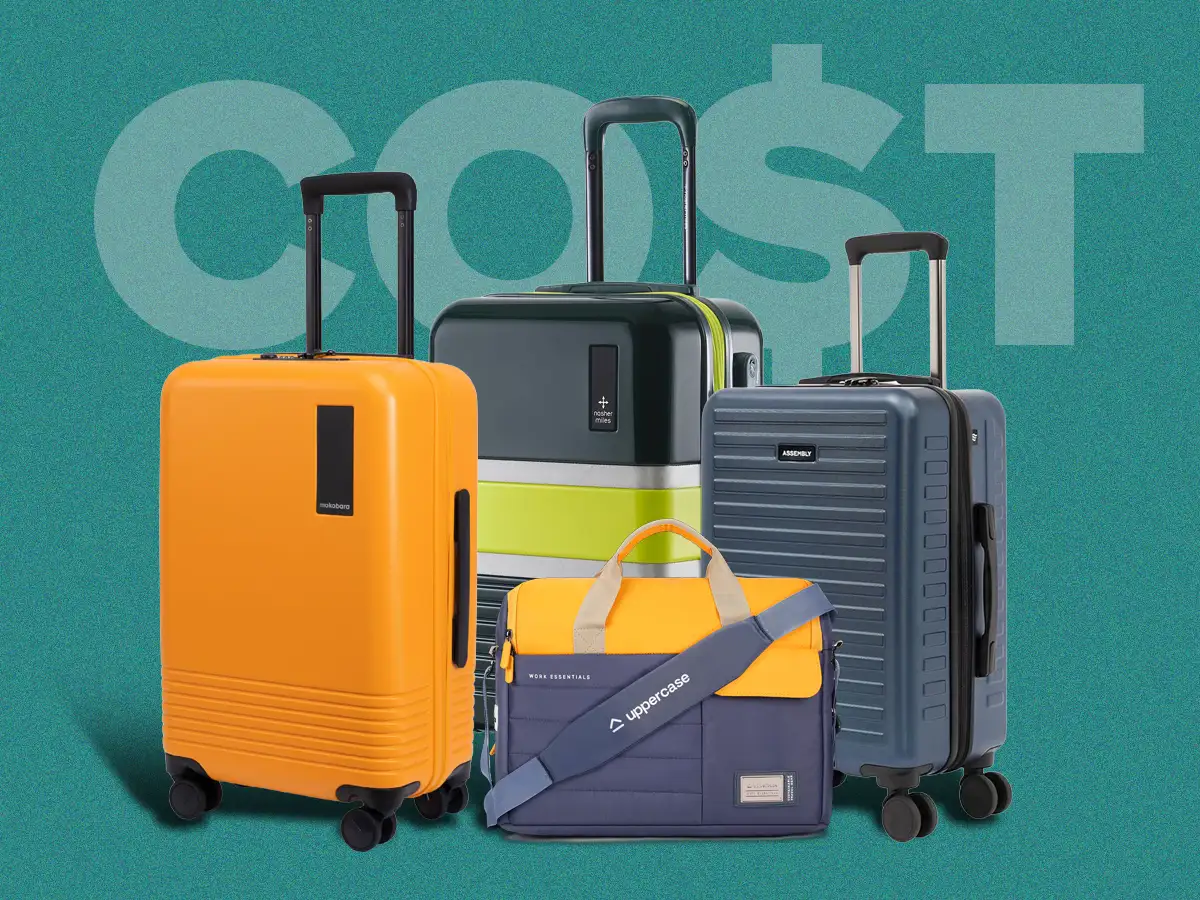
Mokobara, Nasher Miles and Uppercase are among the startups looking to raise fresh capital for growth even as cash burn in the space remains elevated, driven largely by aggressive customer acquisition spending.
Three key inputs for luggage makers – polypropylene, polycarbonate and polyamide – together comprising 40-45% of total production costs, have surged 35-50% in the past month, aggravating the financial strain, according to Crisil Ratings.
Investors and executives have also warned that these challenger brands, which hold around 25% market share in the organised segment, could face increasing headwinds as legacy companies with larger scale are better positioned to absorb the shock.
“Raw material costs had been largely steady over the past few years, which helped brands attract customers on pricing, alongside investments in branding and marketing. Now, with input costs rising, more working capital is getting tied up in the business. That is in turn constraining scale and could weigh on growth until things cool down,” said a founder of a luggage startup, who did not wish to be identified.
ET reported on April 8 that industry groups had written to the government seeking reduction or removal of import duties and anti-dumping duties on polymer-based raw materials for the packaging and fast-moving consumer goods sectors including polypropylene, polyethylene, polyethylene terephthalate (PET) and high-density polyethylene resins to offset the cost escalation arising from the Gulf supply chain disruptions.
“With a significant branding and marketing push, new age players have cornered a quarter market share in the industry till last fiscal. However, with increased costs and impact of the West Asia war on demand, the legacy players could improve on their market share in fiscal 2027, which will remain a monitorable,” said Rahul Guha, senior director, Crisil Ratings.
Guha said that with raw material prices rising, while legacy brands with stronger balance sheets, scale and margins are better placed to absorb the shock, new-age players, already reliant on steep discounting, would find it harder to sustain those offers, which could weigh on sales and profitability.
“Existing low-cost inventory will help limit the impact on operating margins temporarily for both the new-age players and the legacy players. However, operating margins are likely to decline by 100-150 basis points (1-1.5 percentage points) in fiscal 2027 if raw material prices remain high for another quarter. This may give legacy brands a competitive advantage in the market, as they are better equipped to handle the increased raw material costs,” he added.
Queries sent to founders of Mokobara, Nasher Miles and Uppercase did not elicit a response till press time.
The luggage segment has seen a flurry of investment activity over the past few years and these brands are in talks for their next funding rounds.
In February 2024, internet-first direct-to-consumer luggage brand Mokobara raised $12 million in a funding round led by Peak XV Partners, at a post-money valuation of $80 million. Uppercase raised $9 million in 2024 from Accel, which was followed by an investment from cricketer Jasprit Bumrah as a part of the same extended round. It raised another $2 million from existing backers earlier this week.
Similarly, Mumbai-based Nasher Miles had raised $4 million in a bridge round from the Singularity Early Opportunities Fund, Narendra Rathi of SoftBank Vision Fund and Sulabh Arya of Goldman Sachs Growth Equity, among others, at a valuation of $30 million post-money over two years ago.
“In the medium term, growth and market share gains are likely to take a hit, and that is leading companies to recalibrate their projections. The long-term growth story remains intact, backed by the structural rise in travel from India, but there’s also a closer assessment underway of how much share these brands can realistically capture within the organised market,” an investment banker said, explaining the impact on valuations as these startups raise their next rounds.