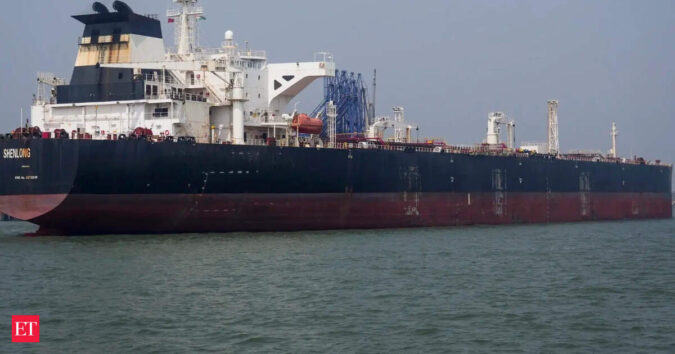
At the centre of this unfolding disruption lies the Strait of Hormuz, that slender maritime artery through which nearly a fifth of the world’s crude oil and liquefied natural gas flows. Even the spectre of disruption has proven sufficient to rattle markets. Oil prices have surged sharply in recent weeks, underscoring a fundamental truth, the global energy system is not merely interconnected, but acutely sensitive to geopolitical tremors. When a chokepoint of such magnitude becomes vulnerable, the repercussions are neither local nor linear, they cascade.
For the Gulf economies, the situation presents an uneasy paradox. Elevated oil prices ought, in theory, to strengthen fiscal positions. Yet this apparent windfall is tempered by rising insurance premiums, contested export routes, and mounting infrastructure risks. Defence expenditures are climbing, capital flows are tightening, and fiscal buffers are being cautiously drawn upon. The gains, in other words, are provisional, hedged against a widening spectrum of uncertainties.
Also read | Why it’s time to end world’s delusions over Iran energy crisis
Elsewhere in the region, the economic consequences are more visibly austere. Israel’s growth trajectory has already been recalibrated as defence imperatives eclipse civilian priorities. Meanwhile, countries such as Jordan, Iraq, and Lebanon find themselves navigating an increasingly precarious landscape marked by trade disruptions, refugee pressures, and constrained fiscal capacity. The result is not an immediate collapse, but a slow, grinding destabilisation, one that manifests through shortages, inflationary pressures, and deepening social stress.
The ripple effects extend beyond the immediate theatre of conflict. Transit economies such as Egypt and Turkey face mounting strain, as disruptions to key trade routes and tourism revenues threaten to spill over into broader macroeconomic vulnerabilities. What begins as geopolitical instability risks, in time, metamorphosing into balance-of-payments distress.
For Asia, and India in particular, the shock is neither distant nor abstract. India’s dependence on West Asia for energy imports renders it especially susceptible. Early signs are already visible in tightening fuel supplies and rising input costs. Over the medium term, these pressures are likely to translate into higher inflation, increased subsidy burdens, and a widening current account deficit. This is not merely an external shock; it is a domestic macroeconomic challenge in the making.Yet the most insidious effects of this conflict lie beyond the visible domain of oil and trade. Modern conflict is increasingly multi-dimensional, extending into the digital realm. The global economy’s reliance on undersea fibre-optic cables, carrying the overwhelming majority of international data introduces a new vector of vulnerability. These cables, often traversing contested waters, are as critical as they are exposed. Any disruption would not merely inconvenience communication; it could destabilise financial systems and operational networks worldwide.
Also read | India talking to US for Iran port’s sanctions waiver
Compounding this is the energy intensity of the digital economy itself. Data centres, the backbone of artificial intelligence (AI), cloud computing, and modern commerce, are profoundly dependent on stable and affordable energy supplies. In a context of sustained energy stress, their resilience becomes uncertain, creating a feedback loop in which energy insecurity begets digital fragility.
What we are witnessing, therefore, is not a conventional war but a multi-domain systemic shock, one that simultaneously unsettles energy markets, trade corridors, and digital infrastructure. The danger lies not only in escalation, but in entrenchment.
The most plausible trajectory ahead is neither full-scale war nor swift resolution, but a prolonged phase of calibrated instability. Energy markets will remain tight, trade routes uncertain, and inflationary pressures persistent. The burdens of adjustment will be unevenly distributed, falling most heavily on those geographically and economically proximate to the epicentre.
And yet, every cloud has a silver lining. For India, this moment of disruption also presents a strategic inflection point. The fragility of traditional energy corridors may accelerate diversification efforts, both in sourcing and in the transition toward renewables. Shifts in global supply chains, driven by risk recalibration, could position India as an attractive alternative manufacturing and logistics hub. Furthermore, as digital vulnerabilities gain prominence, India’s growing capabilities in secure digital infrastructure and trusted technology ecosystems could enhance its role as a stabilising force in an increasingly uncertain world. These opportunities, however, are neither automatic nor assured; they will require foresight, policy agility, and sustained investment.
The authors work for CUTS International