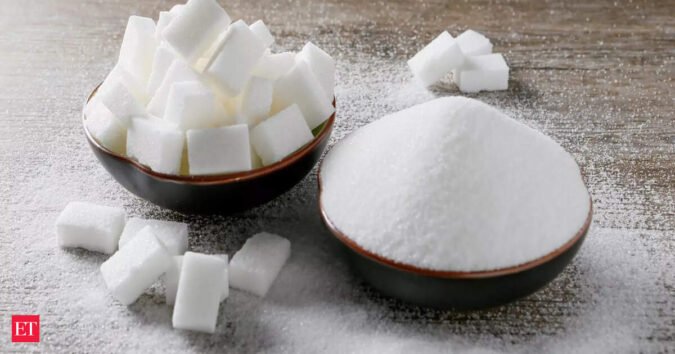
With less than a week left in March, most mills have used only 50-60% of their monthly allocation, said Deepak Ballani, director general of the Indian Sugar and Bio-energy Manufacturers Association.
India’s sugar system doesn’t operate like a free market. Every month, the government sets a quota for each mill to sell in the domestic market. This is to prevent too much sugar from flooding the market, which could cause a crash in prices and hurt mill revenues, thereby delaying payments to cane farmers.
Exports are also handled similarly, but less frequently. When India produces more sugar than it can consume, the government announces an export quota. This helps clear excess stock without destabilising domestic prices.
The overnment had allowed mills to sell 2.25 million tonnes of sugar in March under its monthly quota system. They had fully exhausted the quote of 2.3 million tonnes for March last year.
Supply disruptions caused by the conflict in West Asia have tightened LPG availability in the country, forcing the government to prioritise supply for essential uses such as coking in homes and urea manufacturing.
Consumption across key food commodities has weakened over the past three weeks, led by a sharp pullback from hotels, restaurants and the country’s vast network of street food vendors, a key driver of edible oil, flour and poultry demand, especially in the unbranded segment.March is also a time when correction in sugar demand happens after a peak consumption season, which begins during Diwali and runs through Christmas, New Year and the wedding season, said Abhayraj Kohli, managing partner at Gourmet Brothers, which operates several eateries such as Grandmama’s Cafe, Pritam Da Dhaba and Torii.
Despite global sugar prices showing some recovery recently, exports have remained subdued due to reduced demand from the Middle East and Central Asian markets, increased shipping costs, higher insurance premiums and supply chain disruptions amid the Iran war.