“Since the beginning of the conflict, there have been no call-ons from buyers in the US, which has led to some concern among exporters,” said a senior executive at a large export firm. Spice exporters and buyers tend to connect in November every year to discuss tentative deals for the ensuing year. However, actual trade happens only in the later months when buyers make call-ons to place orders.
The absence of call-ons-typically the first step in export deals-has effectively slowed trade with the US. Elevated freight costs, disruption in trade routes, and market uncertainty due to the war are the main factors keeping buyers away, said another large trader of spices.
The war is starting to disrupt key maritime routes, impacting shipping and freight costs even for deals made prior to the beginning of the war. Traders have been slapped with additional levies such as war risk surcharges, higher marine insurance premiums, and container imbalance charges inflating their landing costs of commodities. Exporters are trying to reroute cargo besides exploring alternative markets as shipping and air logistics face delays amid the high costs.

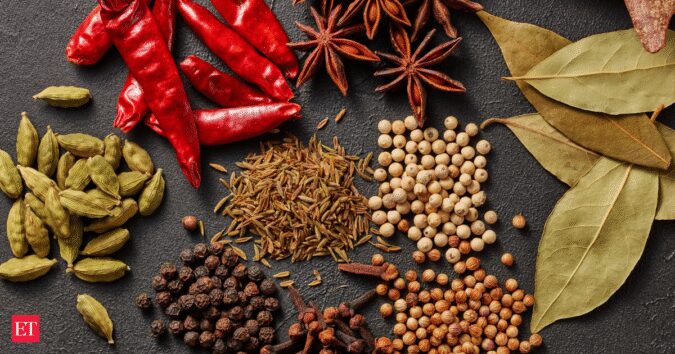
Pepper, cardamom, chillies, coriander, celery, fennel, and curry powder are the most exported spices to the US. The area under cultivation for spices reached 5.09 million hectares, up 1.4% in FY25. Production rose 4.1% to 12.99 million tonnes last fiscal year though it is expected to drop to 12.82 million tonnes in FY26.