At an inter-ministerial briefing on the fallout of developments in West Asia, Director General of Foreign Trade (DGFT) Lav Aggarwal said the commerce ministry is engaged with insurers and banks on war risk insurance escalation and trade finance issues.
The ministry is regularly holding meetings with exporters to understand evolving stress patterns and devise mechanisms to resolve the issues, he told reporters here.
He said that the conflict poses challenges for exporters to ship goods to the Gulf region, with which India had a bilateral trade of USD 178 billion in 2024-25 (USD 56.87 billion exports and USD 121.67 billion imports).
The major sectors which are under stress include petroleum products, chemicals and plastics, engineering goods, rice, pharma and gems and jewellery.
The six countries in this region are the UAE, Saudi Arabia, Oman, Bahrain, Qatar and Kuwait.
The region is the largest agri-export destination for Basmati, Marine Products and fresh produce, he said adding air and sea freight costs surged for fresh fruits and vegetables in transit. He added that payment channels to key markets can come under stress and it can also impact credit cycles for food and agri sector goods.
For gems and jewellery, he said, the Gulf Cooperation Council (GCC) is both a major export market and sourcing hub.
Gold jewellery exports are under stress, while sourcing of gold bars and rough diamond imports from the GCC is also facing disruptions.
LPG stress in manufacturing clusters are affecting metal melting and gemstone processing, according to a presentation shown by the DGFT.
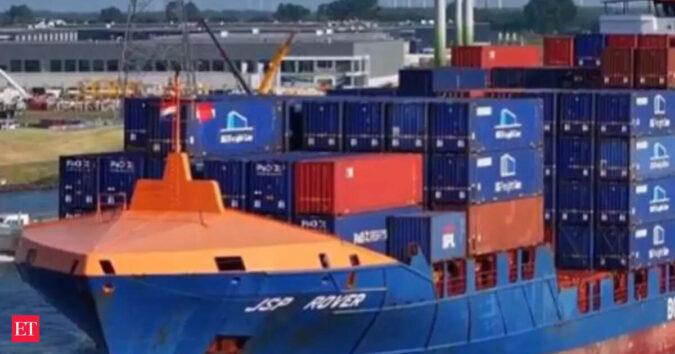
Vessel rerouting is adding to the transportation cost and the shipping lines have imposed war risk surcharges which are hurting engineering export to this region.
LPG and PNG supplies are under stress for foundry, forging and machining units, while aluminium supply has also been disrupted, with key Gulf ports restricting access to engineering goods.
Similarly, critical pharma inputs have come under stress and MSMEs are facing raw material crisis.
Further, shipments to the US and Europe are taking longer routes as shipping lines reroute vessels, leading to higher transportation costs for exporters.
Aggarwal said that to help the exporting community, the commerce ministry has set up an inter-ministerial group on March 2 to assess and coordinate the trade impact of the ongoing West Asia conflict.
So far, the group have held 20 meetings, he said adding a focused sub-group has been constituted specifically for facilitating perishable cargo movement from India to the affected region.
“The group continues to monitor the evolving situation and ensure effective inter-ministerial convergence to support trade,” he said.