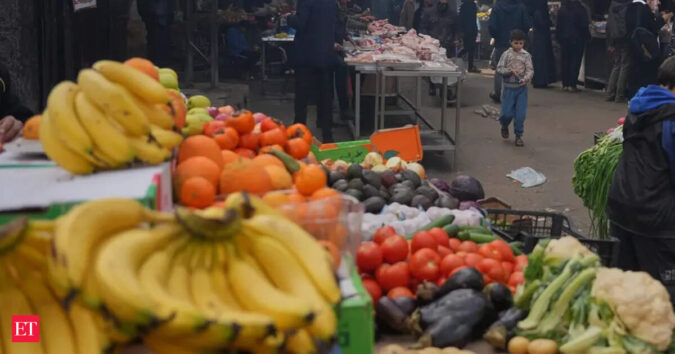
Demand typically rises during this period. Several exporters even source seeds and cultivate produce specifically for Europe, where January to April is considered a lean cultivation season. However, ongoing disruptions have upended shipment plans and upset all calculations.
Danesh Shah, a Pune-based exporter of fruits and vegetables, told ToI’s Sidhartha that he had readied consignments of onions for Europe but now faces significantly higher freight rates, extended sailing durations of 40–45 days instead of the usual 20–25 days, and heightened uncertainty.
He added that even transshipment hubs have been impacted. Shah, who had secured large orders from West Asia and Europe, is now looking to sell bananas originally meant for Gulf markets at discounted prices and fears substantial wastage of onions.
Kushal Thakkar of Kay Bee Exports has curtailed spot purchases as goods already in transit have been affected, while air freight options are either prohibitively expensive or unavailable. Thakkar supplies fresh vegetables, including okra, lauki and baby corn, to supermarkets in the UK and UAE.
Exporters across the board are flagging steep freight costs wherever cargo space is available. Airlines are charging a 30–40% premium for shipments to Europe. With airports in West Asia — which accounted for nearly half the traffic to Europe — shut, airlines’ bargaining power has increased. Sea freight costs have also surged sharply.
 TNN
TNNDev Garg, vice-president of the Indian Rice Exporters’ Federation, said the cost of shipping a 20-feet container to Saudi Arabia had risen to $2,600 within 48 hours after shipping lines such as Maersk and MSC imposed a war surcharge of $2,000. He noted that even shipments to Africa have become 20% more expensive due to vessel shortages and reluctance among shipping lines to place orders.
The federation has advised members to recall cargo destined for Iran and the UAE or reroute shipments to alternative ports in Europe or the US. Where consignments have already reached their destinations, exporters are being encouraged to ask buyers to share the additional costs.
Going forward, members have been advised to book cargo on a free-on-board basis, given the volatility in freight and insurance charges. Industry estimates suggest that 4 lakh tonnes of rice are currently in transit.
Thakkar told the newspaper that some European buyers remain willing to pay a premium for food supplies and his company has dispatched cargo accordingly. However, he cautioned that the prevailing uncertainty does not bode well for global retailers.