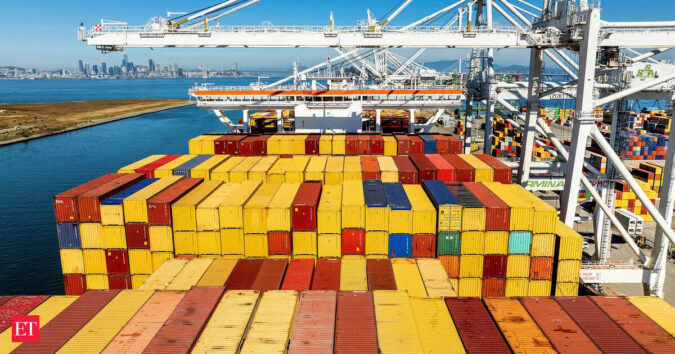
The updated series replaces the earlier FY 2012–13 base, reflecting major shifts in commodity composition, supply chains, technology intensity and relative prices over the past decade. Officials said the change will make export and import indices more representative of current trade realities and improve their usefulness for policymakers, analysts and businesses tracking external-sector trends.
The revision follows recommendations of an expert committee chaired by Prof. Nachiketa Chattopadhyay, which reviewed methodology, coverage, weighting structure and compilation practices to align them with international statistical standards.
Under the new framework, commodity baskets and weights have been recalibrated using FY23 trade values so that indices better reflect present-day value shares across products. Methodological upgrades also refine how missing price data are handled and how common commodity baskets are selected, steps intended to strengthen reliability and comparability.
The indices — compiled by the agency under the Ministry of Commerce & Industry — track changes in unit values and quantities of exports and imports and are widely used across government and research institutions. They serve as deflators for calculating real trade in GDP estimates, guide balance-of-payments analysis at the Reserve Bank of India, and help authorities monitor competitiveness and global price movements.
Officials said periodic base-year revisions are essential because trade baskets evolve as new products emerge, others fade, and global supply chains reorganise. Without updates, older series risk misrepresenting actual price dynamics and trade volumes.