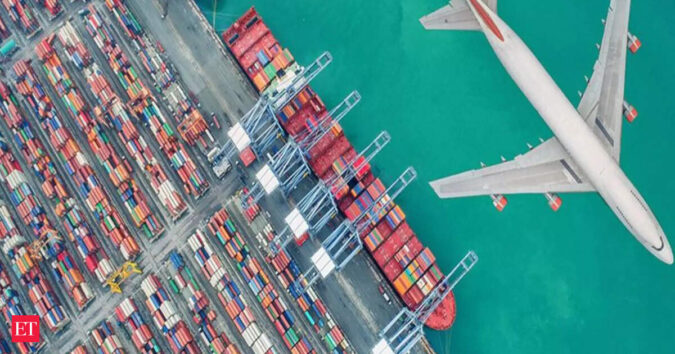
The expansion in the trade gap reflected a sharper increase in inbound shipments even as export performance remained uneven.
Exports to China continued to record double-digit growth, while shipments to the United States contracted during the month, the central bank noted in its State of the Economy chapter. Both gold and silver imports registered three-digit growth, adding to the pressure on the external balance.
Domestic economy remains resilient
Despite external headwinds, the RBI said domestic economic activity remained resilient. High-frequency indicators — including energy consumption, digital payments, trade and logistics — pointed to sustained momentum in January.
Industrial activity remained strong, while the services sector maintained healthy growth. Quarterly results of listed private companies showed strengthening aggregate sales growth, suggesting continued support from domestic demand.
Also read: RBI minutes signal firmer growth path, muted price pressures after February hold
Investor sentiment improved during the period, with foreign portfolio investments staging a recovery. The Indian rupee also saw a turnaround, aided by renewed optimism following the India–EU free trade agreement and the interim India–US trade deal, the bulletin noted.
Global economy holds up amid rising tensions
Globally, economic activity held up despite an uptick in geopolitical uncertainty. High-frequency indicators signalled some improvement in January even as risks intensified.
The geopolitical risk index surged amid escalating tensions in Venezuela, the Middle East, the Russia–Ukraine conflict, and the row over Greenland.
Meanwhile, the World Bank Commodity Price Index climbed to a 10-month high in January, driven by a spike in metal and energy prices: factors that could have implications for input costs and trade dynamics.
The RBI said the government has reinforced the foundations for long-term growth by adhering to a credible path of fiscal consolidation, maintaining a strong thrust on capital expenditure, and prioritising infrastructure, innovation and human capital development.
Even as global uncertainty persists, the central bank’s assessment suggests that domestic growth drivers remain intact, although the widening merchandise trade deficit underscores ongoing pressures in the external sector.