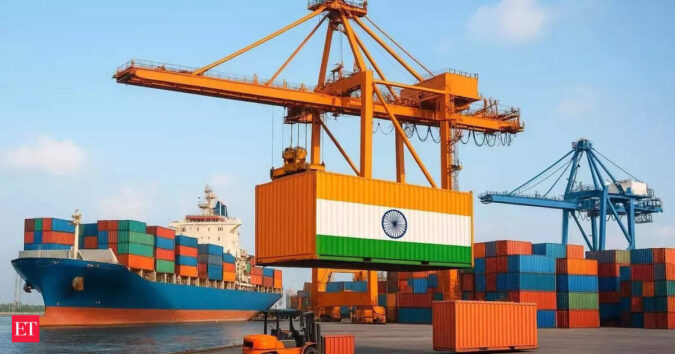
The consulting firm said the Budget for 2026–27, scheduled to be presented on February 1, should build on the government’s ongoing efforts to strengthen manufacturing capabilities and enhance export competitiveness.
Also Read: Budget 2026: A blueprint for India’s oil and gas sector
Deloitte India also recommended reforms to the Special Economic Zone (SEZ) regime, including permitting domestic supplies on a duty-forgone basis, easing sub-contracting norms, exempting value addition from customs duties, and introducing a limited customs amnesty scheme. These measures, it said, would improve competitiveness and help reduce litigation.
To sustain export growth, the firm emphasised the need for targeted customs duty reforms that support domestic value addition.
“A key measure would be to further rationalise the customs duty structure – lowering duties on parts and components in sectors where India has achieved optimal manufacturing capacity, while increasing duties on finished goods,” Gulzar Didwania, Partner at Deloitte India said.
He added that such an approach would discourage imports of finished products, promote domestic manufacturing, and create a stronger base for exports.
Also Read: Budget 2026: India needs to breathe new life into its struggling farm backboneDidwania also suggested expanding the scope of the Phased Manufacturing Program (PMP), which has shown positive outcomes in sectors such as mobile phones and electronics, to other priority manufacturing segments.
Extending the PMP framework, along with higher budgetary support for research and development and technology upgrades, would help India move up the value chain and export fully finished products, he said.
Further, Deloitte India said increasing allocations for and extending the Market Access Initiative (MAI) scheme would strengthen export promotion bodies and support Indian exporters in expanding their global presence.
According to official data, India’s merchandise exports rose 2.62 per cent to USD 292.07 billion during April–November 2025–26, while imports grew 5.59 per cent to USD 515.21 billion, resulting in a trade deficit of USD 223.14 billion.
Get the latest on Budget 2026 and related developments here.