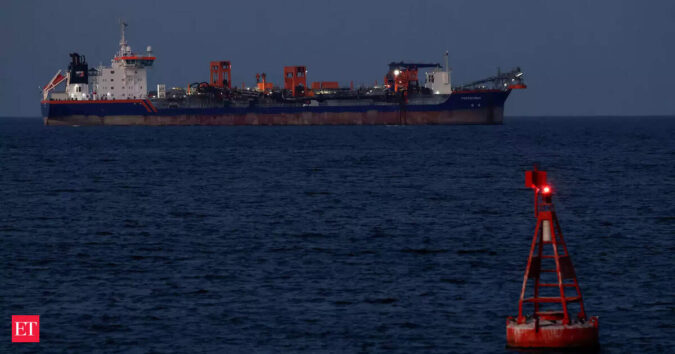
Rajesh Sinha, special secretary in the shipping ministry, told TOI’s Dipak K Dash that three of the stranded foreign ships are carrying LPG, four have crude oil, and three are loaded with LNG. He said the government’s priority is to ensure that Indian-flagged vessels carrying India-bound cargo are allowed to pass through the Strait of Hormuz.
Also Read| India diesel exports to SE Asia hit 7-year high in March due to Iran war, data shows
Two LPG carriers with about 94,000 tonnes of cooking gas cleared the Strait of Hormuz on Saturday. These ships are expected to dock at Mumbai Port and New Mangalore Port within the next two days.
On whether empty vessels will be sent back to the Persian Gulf for fresh loading, Sinha said, “We are yet to reach the stage where we start sending them (Indian-flagged vessels) back.”
He also pointed to a rise in insurance costs. “The affected area is not just the Strait of Hormuz; areas outside of it also fall under the high-risk area (HRA).” He said commercial premiums earlier stood at 0.04% of the insured value before the war, but have now increased. In one case, the premium has reached 0.7% of the insured value, and it could rise further.
At least four Indian-flagged tankers have crossed the Strait of Hormuz since the war began, based on official updates and reported movements. Two LPG tankers crossed the strait in mid-March, marking the first confirmed passage after tensions disrupted shipping routes in the region. Later, around March 29, two more LPG carriers completed the transit as authorities allowed limited movement on a case-by-case basis.