The brazen and swift “capture” of Venezuelan President Nicolas Maduro by US special forces in an operation inside the Latin American country’s capital has rejigged geopolitics. And it has put the global spotlight on Venezuela’s massive natural wealth — an oil rush, if crudely stated.
But how much is the oil, how much money is at stake, and who gets to keep it now, and later? These are key questions centred on the vast oil wealth after US President Donald Trump made clear America’s crude-related intentions.
Follow | Live updates on Venezuela after US military operation
Just after the bold “large-scale strike” that extracted Maduro as well as his wife and fellow leader Cilia Flores from Caracas, Trump stated that the United States is prepared to “run” Venezuela until a power transition can take place. He specifically mentioned that major American corporations will soon begin extracting crude oil from the nation.
This ignited a fierce debate over energy security, neo-colonialism, and the true motives behind the military operation.
Why is Venezuela’s oil so valuable to Trump’s US?
First, let’s look at the sheer volume of resources buried beneath Venezuelan soil. The country, run by Communist regimes for decades, possesses the largest proven oil reserves in the world — estimated at 303.221 billion barrels.
This staggering figure puts it ahead of traditional energy giants like Saudi Arabia and Iran.

However, despite this wealth, the country’s output has dwindled to around 1 million barrels per day, a sharp decline from the 3.5 million produced when Maduro’s late predecessor and mentor Hugo Chavez first took power in 1999.
Currently, Venezuela accounts for less than 1% of the global oil supply, even though it holds the world’s largest reserves.
What is the current state of Venezuela’s oil infrastructure?
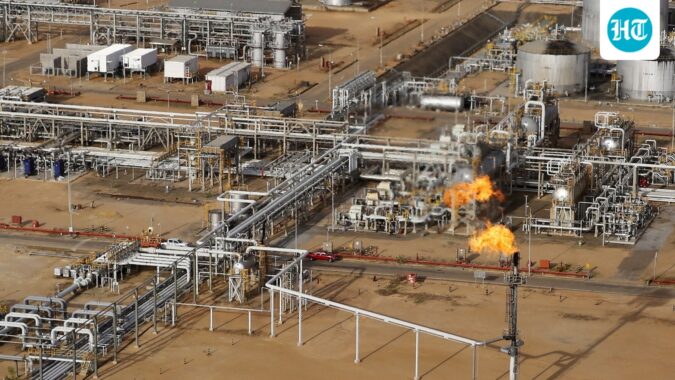
While the reserves are vast, the ability to extract them is currently in a shambles. Years of neglect, poor infrastructure, underinvestment, and systemic corruption have crippled the country’s productive capacity, news agency AFP reported.
Sanctions imposed during Trump’s first term also played a role, causing production to plummet to a historic low in 2020, reports further said.
Trump has proposed a solution involving the return of “very large United States oil companies” to the region. He believes that by spending billions of dollars to fix the “badly broken” infrastructure, the US can resume selling large amounts of oil on the global market.
Trump has argued that the US needs to be surrounded by “safe, secure countries” and that having reliable energy sources nearby is important.
Further, he has suggested that the wealth generated from this oil will serve as a form of reimbursement, claiming the US will be “repaid for everything” it has spent on the operation and the subsequent administration of the country.
Traders and analysts warn, however, that this plan could take many years of work.
How do geopolitics and China factor into Trump’s plan?
Beyond the financial gain, there is a strategic layer to Trump’s ambitions. The US administration views the oil exported by Caracas under the previous embargoes imposed on it as “oil stolen from the international community”.
Experts suggest that Washington aims to reclaim volumes that were originally extracted using American equipment and investments, prior to the nationalizations carried out by Hugo Chavez.
There is also a clear desire to push back Chinese influence in the Western Hemisphere. Currently, China is estimated to buy 80% of Venezuelan oil, often using “ghost tankers” and false flags to bypass US sanctions.
By taking control of the Venezuelan energy sector, the US hopes to deprive China of its foothold in the region and its influence over the Panama Canal, which serves as a vital transit point for Venezuelan crude.
What are the primary concerns from political opponents and global observers?
The decision to “run” Venezuela for its oil has met with harsh criticism both at home and abroad for Trump’s administration.
Senator Bernie Sanders, a prime Democratic Party voice against the ruling Republicans, slammed the move, stating that Trump does not have the constitutional authority to attack another country. He said Trump should stop trying to “run Venezuela for Big Oil” while Americans struggle with domestic crises.

Similarly, former Vice President Kamala Harris, who lost to Trump in the last election, described the operation as “unlawful and unwise”, arguing that it was driven by oil interests rather than genuine concerns over drug trafficking. Harris warned that “wars for regime change or oil… often sold as strength eventually turn into chaos”.
The international community has reacted with a mix of shock.
And some dark humour has emerged on social media.
The Iceland Cricket handle on X posted a viral jibe that captured a key sentiment: “Venezuela has oil. Greenland has rare Earth minerals. Luckily Iceland has only volcanoes, glaciers, very average cricketers.” This post, later amended to call the cricketers “seriously underwhelming” instead, highlighted the perception that US military interest is often tied directly to a nation’s mineral wealth.
Is Trump’s plan to rapidly increase oil production actually realistic?
Despite Trump’s optimism, market experts are skeptical about a quick turnaround. Investing in Venezuela today holds little appeal for many oil majors because global oil prices are currently weighed down by a supply glut, AP reported. This glut has persisted into 2025 due to headwinds like Trump’s own tariff wars and the ongoing conflict in Ukraine.
Analysts from Saxo Bank and UBS note that US oil companies have a primary responsibility to their shareholders, not the government.
Given the “crumbling infrastructure” and the massive financial risk involved, many believe there will be no immediate rush of private interest into the country.
Additionally, because the market is already well-supplied, analysts predict that the current instability in Venezuela will only cause a marginal uptick in oil prices.
As the US military continues its operations and the Venezuelan Supreme Court orders Vice President Delcy Rodriguez to take over as acting president, the future of the nation hangs in the balance. Whether Trump can successfully “run” the country and extract its “black gold” remains to be seen, but the ghosts of past interventions continue to haunt the conversation — the Iraq war’s huge cost is a specter often cited, even by Trump before he became President.
(with inputs from AP, AFP, Reuters)