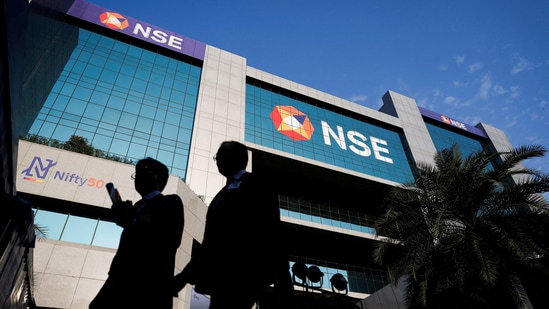
India’s stock market slumped at the open today, as the widening Iran war in West Asia sends crude oil prices soaring, threatening to reignite domestic inflation and strain the rupee.
The 30-share BSE Sensex fell as much as 3.16%, or 2,494.35 points, to 76,424.55 points, while the wider NSE Nifty 50 shed up to 3.0% to trade below 23,800.
The market turmoil is being driven by a violent spike in energy markets. Brent crude oil prices have surged enough to test $120/barrel levels.
- Almost all Nifty 500 companies are trading in the red.
- Nifty Midcap, Smallcap down about 1.8% each.
- India VIX surges over 20% to the highest since July 2024.
- ₹12 lakh crore in investor wealth wiped out already.
- BPCL, HPCL falls up to 8% due to surge in crude oil prices.
- HDFC Bank, ICICI Bank, Reliance Industries top losers on Nifty 50.
“Big oil importers like India will be hit hard if the Iran war lingers long and crude price remains high,” V.K. Vijayakumar, chief investment strategist at Mumbai-based Geojit Investments Ltd., told Hindustan Times over email. “The market will price-in the economic consequences of this oil shock. Inflation will certainly move up whether the oil price hike is passed on to consumers or not.”
The price shock comes as an escalating Iran war stokes fears of prolonged supply disruptions through the Strait of Hormuz. Adding to the supply constraints, Iraq and Kuwait have begun curbing oil output, compounding earlier LNG reductions from Qatar.
Geopolitical tensions have intensified dramatically over the weekend. Iran named Mojtaba Khamenei to succeed his father as Supreme Leader, signalling that hardliners remain firmly entrenched a week into the conflict. Meanwhile, Israel expanded its military campaign with strikes on Iranian commanders in Beirut early Sunday, pushing the death toll from days of attacks to nearly 400.
Iran war impact on India
For India, the world’s third-largest crude importer, the spike in energy costs presents a severe macroeconomic headwind. The surge threatens to widen the government’s fiscal deficit, compress corporate margins through higher input costs, and place renewed depreciation pressure on the local currency.
Even if hostilities ease, economists warn that damaged infrastructure, disrupted logistics, and elevated shipping risks could saddle global businesses and consumers with high fuel prices for months.
The geopolitical premium has already taken a toll on Dalal Street. The conflict dragged both the Nifty 50 and the S&P BSE Sensex down 2.9% last week, marking their worst weekly performance in more than a year.
Foreign institutional investors offloaded ₹6,030 crore ($654 million) of local shares on Friday, completely absorbing the ₹6,972 crore in rescue purchases made by domestic funds, according to provisional exchange data.