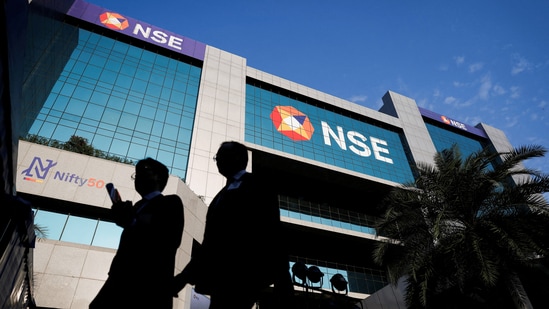
India’s equity benchmarks are on track to register their worst fortnight since the covid-crash in March 2020 after foreign investors offloaded stocks at the fastest pace in 17 months in the first half of March.
On Thursday (19 March 2026), the 30-share S&P BSE Sensex fell as much as 2.86%, or 2,193.86 points, to an intraday low of 74,510.27 points, even as the wider NSE Nifty 50 shed 2.90%.
The foreign portfolio investors have pulled ₹52,704 crore ($5.65 billion) from the market in the fortnight, according to data with National Securities Depository Ltd. The aggressive exodus dragged the Nifty 50 down 8.1% for the worst two-week stretch since the pandemic-driven market crash of March 2020.
Both the Nifty 50 and the S&P BSE Sensex are now down approximately 10% for the year, officially confirming a technical correction last week.
The flight to safety has overshadowed early signs of an earnings recovery seen in the December quarter. Market sentiment soured rapidly as the Iran war triggered a surge in crude oil prices. For India—which imports ~85% of its energy needs—that’s clouded its “goldilocks” economy.
“For global investors, the worry is that higher energy prices could revive inflation, much as they did after the Ukraine war began in 2022,” Ross Maxwell, global strategy operations lead at VT Markets, told Reuters. Maxwell noted that the inflationary pressures could force central banks to keep monetary policy tighter for longer, disproportionately weighing on emerging markets heavily reliant on energy imports.
Financials Bear the Brunt
The selling was broad-based, hitting 17 of the 24 sub-sectors tracked by the NSDL, though capital goods emerged as a rare bright spot. However, financial services—historically the most heavily foreign-owned sector in India—bore the brunt of the institutional flight, accounting for a staggering 60% of the total outflows.
Sustained selling battered the sector, with the broader financials gauge tumbling 9.8% and the banking index plunging 11.2% in the first half of the month.
The pressure on financials threatens to accelerate to record levels by month-end, compounded by sudden corporate governance concerns at the nation’s premier private lender. Shares of HDFC Bank Ltd., the heaviest-weighted stock in the benchmark indexes, tumbled as much as 8.49% on Thursday. The drop followed the abrupt resignation of part-time chairman Atanu Chakraborty, who cited irreconcilable differences over “values and ethics”.
ALSO READ | Keki Mistry returns to steady the HDFC Bank ship in choppy waters
Valuation Reset
Despite the grim macroeconomic backdrop and corporate turbulence, the steep price correction is drawing attention from domestic buyers looking for entry points. Domestic institutional investors are beginning to see a valuation reset in the beaten-down financial counters.
“Heavy FPI selling in financials has made them attractive and investable,” said VK Vijayakumar, chief investment strategist at Geojit Investments, suggesting that the relentless foreign dumping may have finally pushed valuations into appealing territory for local funds with a longer time horizon.