The government has approved two new airlines after the IndiGo flight crisis brought aviation to a virtual standstill in India.
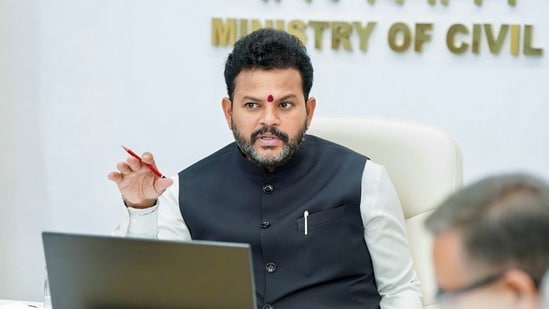
Al Hind Air and FlyExpress have received no objection certificates from the civil aviation ministry to start operations, Minister Kinjarapu Ram Mohan Naidu wrote on X, formely Twitter, on Wednesday. Uttar Pradesh-based Shankh Air, which has already received the NOC, is set to launch flights in 2026.
It has been the endeavour of the ministry to encourage more airlines in Indian aviation, which is amongst the fastest growing aviation markets in the world…, Naidu wrote. “Schemes like UDAN have enabled smaller carriers Star Air, India One Air, Fly91, etc., to play an important role in the regional connectivity within the country, and there is more scope for further growth.”
In early December 2025, IndiGo—India’s largest airline operated by InterGlobe Aviation Ltd.—suffered an unprecedented operational meltdown that paralysed domestic air travel and left thousands of passengers stranded across airports in India. The crisis saw the cancellation of over 5,000 flights within a single week, with roughly 1,600 flights grounded on 5 December alone.
The crisis was primarily triggered by a clash between IndiGo’s high-utilisation business model and new Flight Duty Time Limitation (FDTL) regulations for pilots to get enough rest between flights.
IndiGo and Air India Group—Air India and Air India Express—have more than 90% market share in India’s aviation industry.
Over the past decade, many airlines—including Go First and Jet Airways—have stopped flying amid debt woes, even as the industry consolidated to some extent after the privatisation of Air India.
The civil aviation ministry is keen to have more airlines in India to avoid such incidents. According to the Directorate General of Civil Aviation, there are nine operational airlines in India: Air India, Air India Express, IndiGo, Alliance Air, Akasa Air, SpiceJet, Star Air, Fly91 and IndiaOne Air.