Rising domestic prices and mounting inflationary pressures could add to the likelihood of government intervention, particularly with Assembly elections scheduled in five states in 2027, the industry body said. No fresh export restrictions have been announced so far.
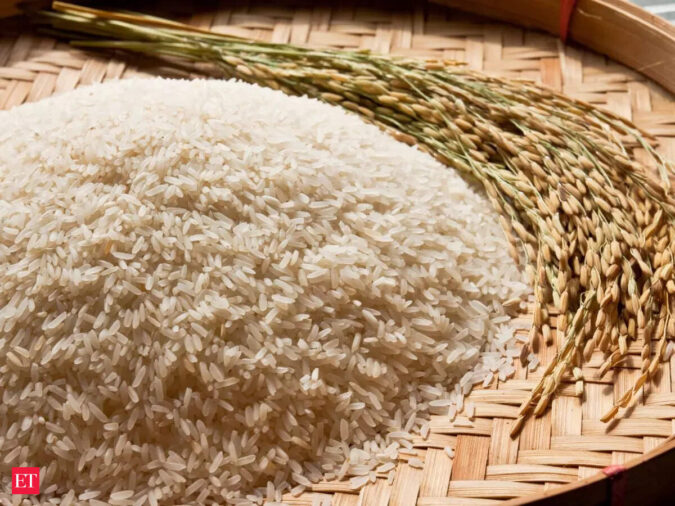
According to the Department of Consumer Affairs, the all-India average wholesale price of broken rice rose 5.3 per cent to Rs 3,036 per quintal on November 2 from Rs 2,883 on October 10. The Wholesale Price Index (WPI) for broken rice also accelerated to 5.38 per cent year-on-year inflation in September 2026 against 4.37 per cent in August, indicating mounting domestic price pressures.
Vinod Kaul, Director General of IREF, said the increase in international prices beyond USD 360 per tonne warranted close attention, given the growing importance of broken rice as an industrial raw material.
“The increase in broken rice prices beyond USD 360 per tonne warrants serious attention. Broken rice has become an important industrial raw material for ethanol manufacturing, poultry feed and several other industries.
“Competition between domestic industries and export markets is putting pressure on availability and prices. If this trend continues, the possibility of restrictions on broken rice exports cannot be ruled out,” Kaul said.
India’s expanding ethanol-blending programme has increased demand for grain-based feedstocks, including broken rice, maize and surplus rice supplied by the Food Corporation of India (FCI).Although the government has permitted the use of surplus FCI rice for ethanol production, commercial distilleries also procure feedstocks from the open market, bringing them into direct competition with poultry-feed manufacturers and exporters.
The resulting demand pressures could push up procurement costs across these industries, potentially feeding into broader inflationary pressures, IREF said.
The development also highlights a growing policy trade-off between meeting India’s ethanol-blending ambitions, ensuring affordable supplies for domestic industries and preserving export market access.
The possibility of renewed restrictions is not without precedent. In September 2022, the government prohibited exports of broken rice, citing concerns over domestic availability and demand. The restrictions remained in force until March 7, 2025, when exports were restored under the free category.
The earlier ban underscores the government’s willingness to intervene in rice trade when domestic supply considerations take precedence over export interests.
India’s overall rice supply position remains comfortable. Production is estimated at a record 154.02 million tonnes in 2025-26, up from 150.18 million tonnes in the previous year. The country also exported around 21.57 million tonnes of rice during the fiscal year, retaining its position as the world’s largest rice exporter.
However, aggregate production figures may not fully reflect the availability of specific rice categories. Broken rice, generated during the milling process, has its own supply-demand dynamics and is facing competition from multiple domestic and overseas users.
This distinction could become particularly important if industrial demand continues to rise, even as overall rice production remains strong.
The prospect of renewed export curbs could also be influenced by political considerations, with Assembly elections due in Uttar Pradesh, Punjab, Uttarakhand, Goa and Manipur in 2027.
Higher food and agricultural commodity prices can become politically sensitive ahead of elections, potentially increasing the government’s focus on domestic availability and price stability.
“Domestic price stability and adequate feedstock availability for ethanol manufacturing are important policy considerations. With major state elections approaching, sensitivity towards inflation may increase. These factors collectively raise the possibility of government intervention, although no fresh export restriction has been announced,” Kaul said.
Against this backdrop, IREF has advised exporters to exercise caution while entering into forward contracts and closely track domestic prices, arrivals from rice mills and demand from the ethanol sector.
The federation has also urged the government to consult industry stakeholders before imposing any fresh restrictions and provide reasonable transition arrangements to protect existing contracts, letters of credit and committed shipments.
Any abrupt policy reversal could disrupt trade flows, affect exporters and millers, and undermine the reliability of Indian rice supplies in international markets.
“Any intervention must balance domestic requirements with the interests of farmers, millers and exporters. Predictable policies and protection of existing commitments are essential to maintaining India’s credibility as a dependable global rice supplier,” Kaul said.