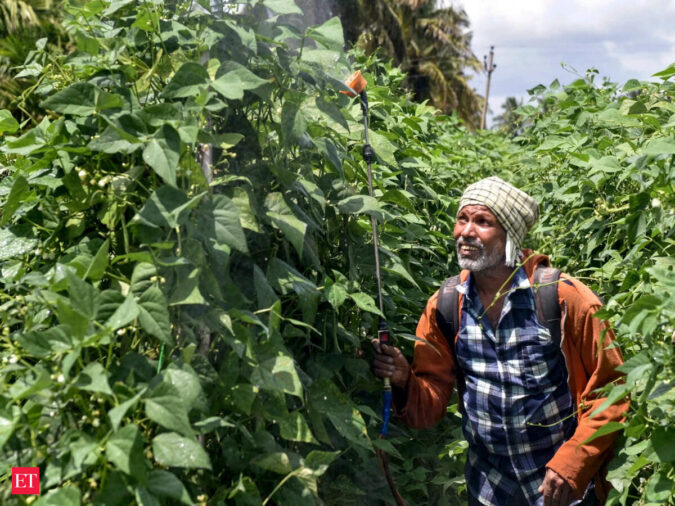
The commercial collaboration comes amid growing interest in biological alternatives that can improve soil health and nutrient management as Indian agriculture faces increasing climate variability and pressure to improve input efficiency. The companies have already commenced commercial engagement, with Bayer leveraging its sales network to take the product to farmers.
INERA’s solution is designed to enhance nutrient-use efficiency (NUE), or the ability of crops to absorb and utilise nutrients, while supporting soil and plant health. The companies did not disclose the product’s name, pricing or expected sales.
INERA’s product development pipeline draws on Absolute’s proprietary NIP platform, which contains more than 35,000 microbial strains, biomolecules and enzymes sourced from diverse habitats. Its Nature+ artificial intelligence platform analyses biological datasets to identify promising molecules and proteins, with potential candidates subsequently undergoing experimental validation and field trials.
The company is also developing RNA interference (RNAi)-based biocontrol products, peptide-based agricultural inputs and AI-discovered bioherbicides, reflecting a broader push to use biological processes and computational tools to develop crop protection and nutrition solutions.
INERA said it has conducted more than 50,000 field trials and farmer demonstrations across over 100 acres of dedicated trial grounds. However, the companies did not disclose independent efficacy data or details of the product’s performance across crops and agroclimatic conditions.
“Indian agriculture is at an inflection point. A changing climate, growing pressure on food security and evolving policy priorities are creating an urgent need for farming solutions that are both sustainable and scalable,” said Agam Khare, founder of Absolute.He said the collaboration with Bayer would help make INERA’s biological solutions accessible to a larger number of farmers.
For Bayer, the partnership adds to its engagement with biological crop inputs while bringing INERA’s technology into an established distribution network. Simon Wiebusch, country divisional head of Bayer’s Crop Science division for India, Bangladesh and Sri Lanka, said partnerships could help accelerate the availability of innovative and sustainable solutions by combining biological research with agronomic expertise and market reach.
The collaboration also comes as policy initiatives such as the PM-PRANAM scheme, which encourages states and Union territories to reduce chemical fertiliser use, and the government’s BioE3 policy seek to promote more sustainable resource use and biotechnology-led innovation.
The commercial opportunity will depend on farmers’ willingness to adopt biological inputs, consistent field performance and the economics of using them alongside conventional fertilisers and crop protection products. Wider distribution through Bayer could help INERA reach more farmers, although the scale and pace of adoption remain to be seen.