The Gulf Cooperation Council (GCC) region is the most prominent market for India’s festive food exports with importers and distributors in Kuwait, Oman and Bahrain reporting continued procurement activity across traditional sweets, dry fruits, savouries and convenience foods. However, high freight, container shortages and the US’ Section 301 tariffs are a cause for concern, they said.
Also Read: India considers cutting vegetable oil import taxes as prices climb
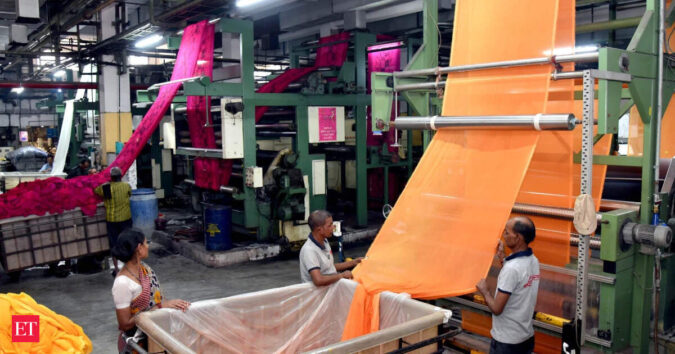
Exports of textiles and apparel rose 6.39% in August while those of handicrafts grew 29% and carpets 5%. “Demand for domestic consumption as well as purchases for export by our customers to the Western markets has been strong this quarter due to Christmas, New Year, and the Indian festive season,” said Sammir D Dattani, executive director, Sanathan Textiles.
Demand for yarn that which gets converted to clothing, bed sheets and other articles domestically by our customers who are exporters has been high, he added.

Also Read: India clears 642-car import quota from UK under India-UK trade agreement
Mithai such as kaju katli, laddoo and halwa, savouries including bhujia, mixture and murukku; dry fruits and nuts, rice, spices and masalas, ghee, pickles and mixed pickles continue to witness strong buying interest, according to Trade Promotion Council of India.”The festive-season demand signals are encouraging for India’s food and beverage exporters. What is particularly significant is the combination of strong demand for traditional Indian products such as sweets, savouries, rice, spices and pickles with the rapid emergence of ready-to-eat and ready-to-cook foods,” said Mohit Singla, chairman, Trade Promotion Council of India.
This trend in food exports is consistent with the broader performance of India’s processed food exports. Exports of ready-to-eat and cooked food items increased 16% to $2.4 billion in FY26, from $2.1 billion the previous year. Kuwait is witnessing demand across a broad basket including sweets, ghee, paneer, beverages, condiments, spices, pickles, canned foods and dry fruits.
Buyers in Oman are also sourcing Indian rice, spices, masalas, pulses and pickles, while Bahrain continues to see demand for traditional Indian festive foods and savouries, Singla said. However, customs inspection delays, food-safety and import compliance requirements, and limited shelf life for perishable products are challenges. “Buyers across countries are diversifying their suppliers because of uncertainty ,” said Ajay Sahai, director general, Federation of Indian Export Organisations.