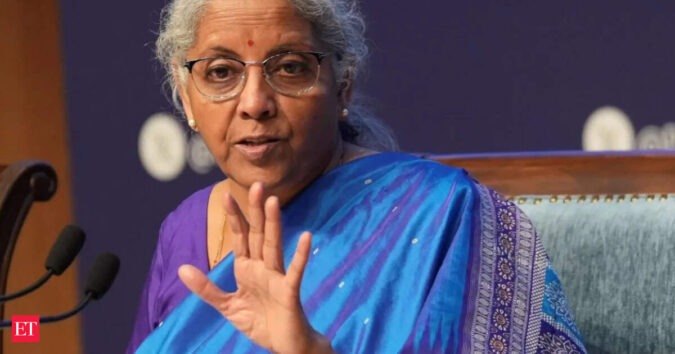
The meeting was earlier scheduled for September 12, nearly a year after its last meeting, to consider reforms including making it easier to get blocked input tax credit (ITC), simplifying the GST treatment of corporate guarantees and allowing small businesses to register in multiple states.
Key proposals
A key proposal this time is protecting buyers from losing input tax credit (ITC) if suppliers fail to deposit taxes with the government, said people familiar with the deliberations.
In such cases, it is proposed that buyers will get ITC if they establish that the payment, including the GST component, was made through banking channels or other prescribed payment documents.
The GST Council may also consider relaxing existing provisions to allow companies to claim ITC on vehicles purchased in the company’s name for employees’ use and on group health and life insurance policies bought for employees.
The Council may also examine the GST framework for corporate guarantees provided within a group, with businesses seeking greater clarity and a simpler approach to valuation and taxation of such arrangements.Another possible area of discussion is allowing multiple-state GST registration for small businesses, which could help enterprises operating across states streamline compliance and reduce the administrative burden associated with maintaining separate registrations.
Businesses are also looking for movement on refund norms, unutilised ITC and other issues that have remained unresolved, particularly those affecting working capital and compliance costs.
The proposals are part of the committee’s ease of doing business review and are expected to be considered at the next GST Council meeting.
The GST Council, chaired by the Union Finance Minister and comprising state finance ministers, is the apex decision-making body on GST rates, exemptions, and administrative matters under India’s indirect tax framework.