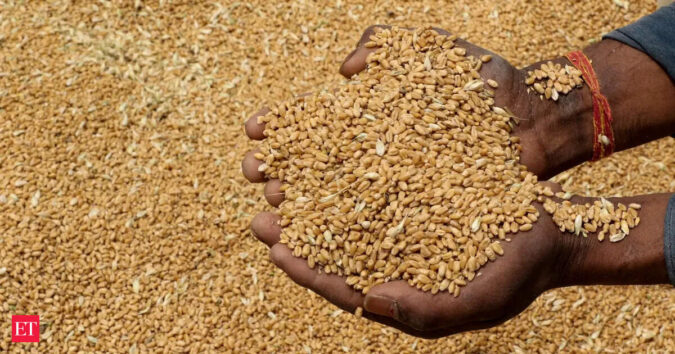
India is currently having surplus stock of wheat in the country. The total stock of wheat in the central pool stands at 57.8 million metric tonnes, which includes carry forward stock of 22 million tonnes as on 1 April 2026 and the procurement of 35.8 million tonnes during the rabi marketing season 2026-27.
Read more: Russia crude prices swing wildly amid Iran war
The government needs about 21 million tonnes for the Public Distribution System and Other Welfare Schemes, and 7.5 million tonnes for the buffer stock.
While allowing the additional 25 lakh tonnes of wheat export in April this year, the government had said that the decision was taken “to enhance market liquidity, facilitate efficient stock management, and prevent distress sales during the peak arrival season.”
The increase in freight charges due to re-escalation of the war in the Middle East and the growing concerns about wheat production in key origins like Europe, USA and Australia due to El Nino induced dry weather, have been fueling the rise in global wheat prices. This has brought export parity for Indian wheat export only to Bangladesh.
“An export window has recently opened for Indian wheat due to global rise in prices. We now have export parity for the Bangladesh markets through the land border, “said Navneet Chitlangia, president, Roller Flour Millers’ Federation of India (RFMFOI).
According to government data, the wholesale wheat prices in the Delhi market have increased by 1.7% during the last one month. Wheat prices usually start rising during the lean period from June to February. The central government usually sells excess wheat in the open market under the Open Market Sales Scheme to maintain supply and keep prices under control.