In a LinkedIn post, Chandana recalled how the relationship began eight years ago with a cold message on the platform.
“He became Skyroot’s first investor with a ₹10 crore cheque. At the time, there was no space policy. No proof that we could build an orbital rocket. Immense technology risk. And every reason to say no. Yet he looked beyond the uncertainty,” Chandana wrote.
Chandana said Bansal trusted the founding team and gave them room to make their own calls while staying available to mentor them. “The first cheque is never just capital. It is belief,” Chandana noted.
On Saturday, Skyroot Aerospace became the first Indian private company to place a rocket in orbit. The successful orbital mission, Aagaman, has put Skyroot in a small group of private companies globally with orbital launch capabilities. It follows the startup’s sub-orbital Vikram-S launch in 2022.
Also Read: Skyroot targets one Vikram rocket launch every month from 2027: CEO Pawan Kumar Chandana
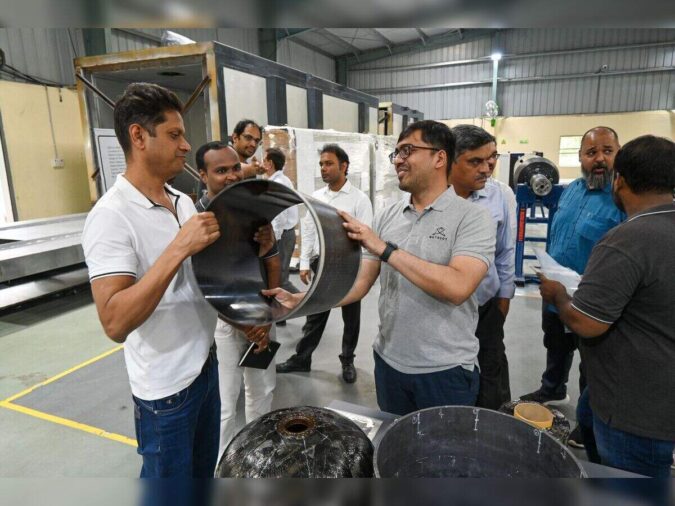
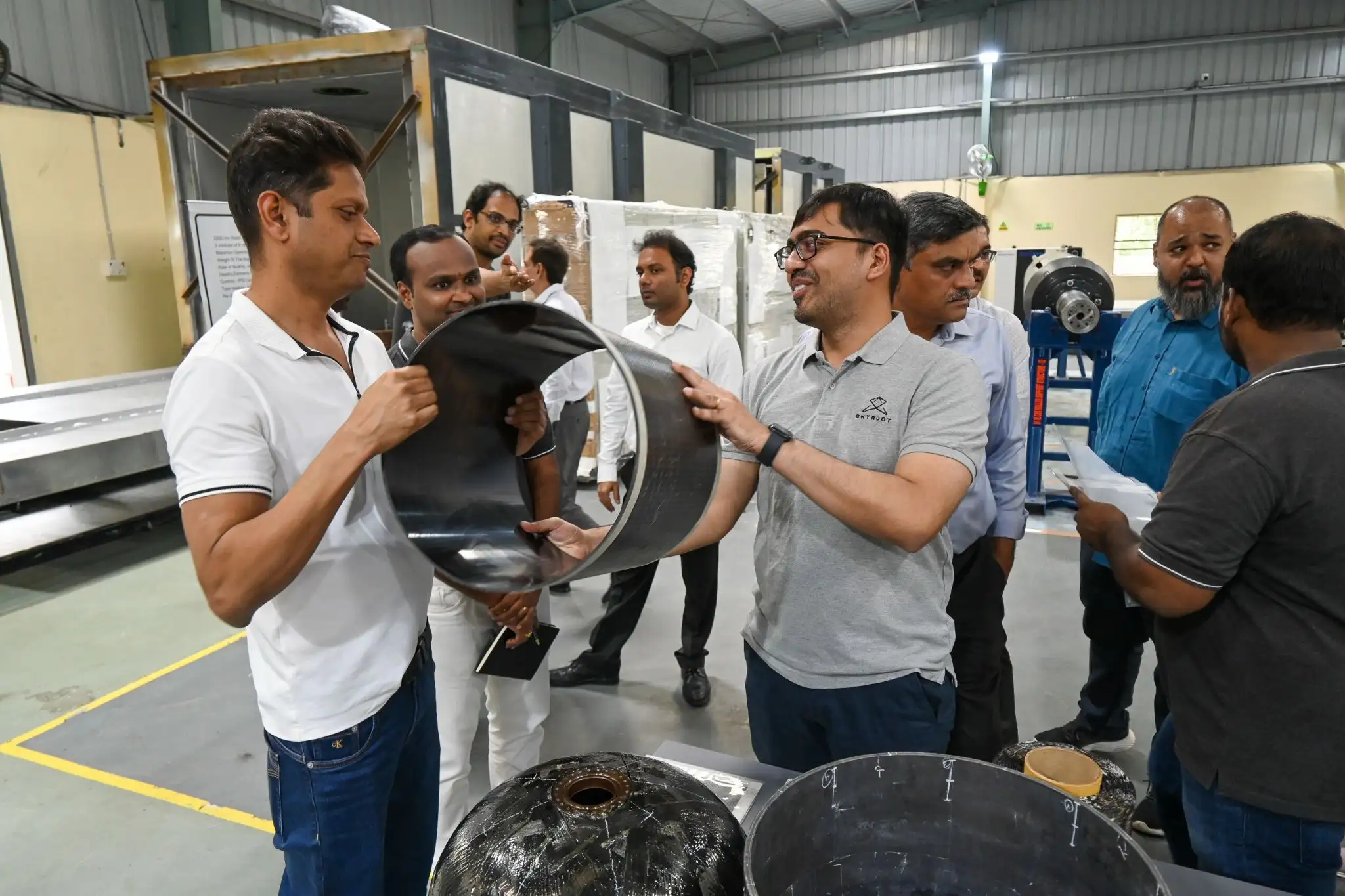
Chandana posted a picture from one of Bansal’s early visits to Skyroot’s factory, where the team demonstrated how lightweight the carbon composite structures of its Vikram-S rocket were. He added that Bansal’s advice centred on staying principled and building for the long haul, urging the founders to treat the product and the organisation as equally important priorities.
Founded in 2018 by former ISRO scientists Chandana and Daka, Skyroot became a unicorn after raising $60 million earlier this year. The company has so far raised about $155 million from investors including GIC, Temasek, Peak XV Partners, Playbook Partners, Arkam Ventures and other backers.