The startup aims to replace costly and invasive scans with an AI-powered diagnostic platform tailored for the Indian population. Enlife on Wednesday announced it has raised Rs 6 crore in a round led by Piper Serica to advance the technology.
The funding will be used to validate its blood-based biomarker platform, expand its research and development team, and take its first diagnostic assay from prototype to clinical-grade validation.
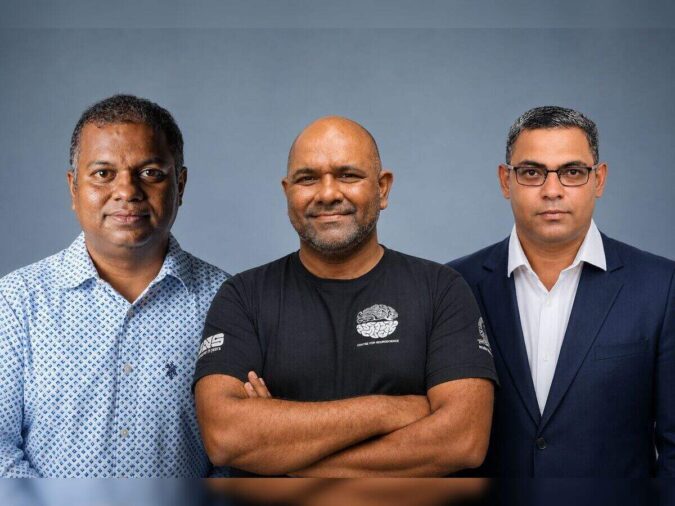
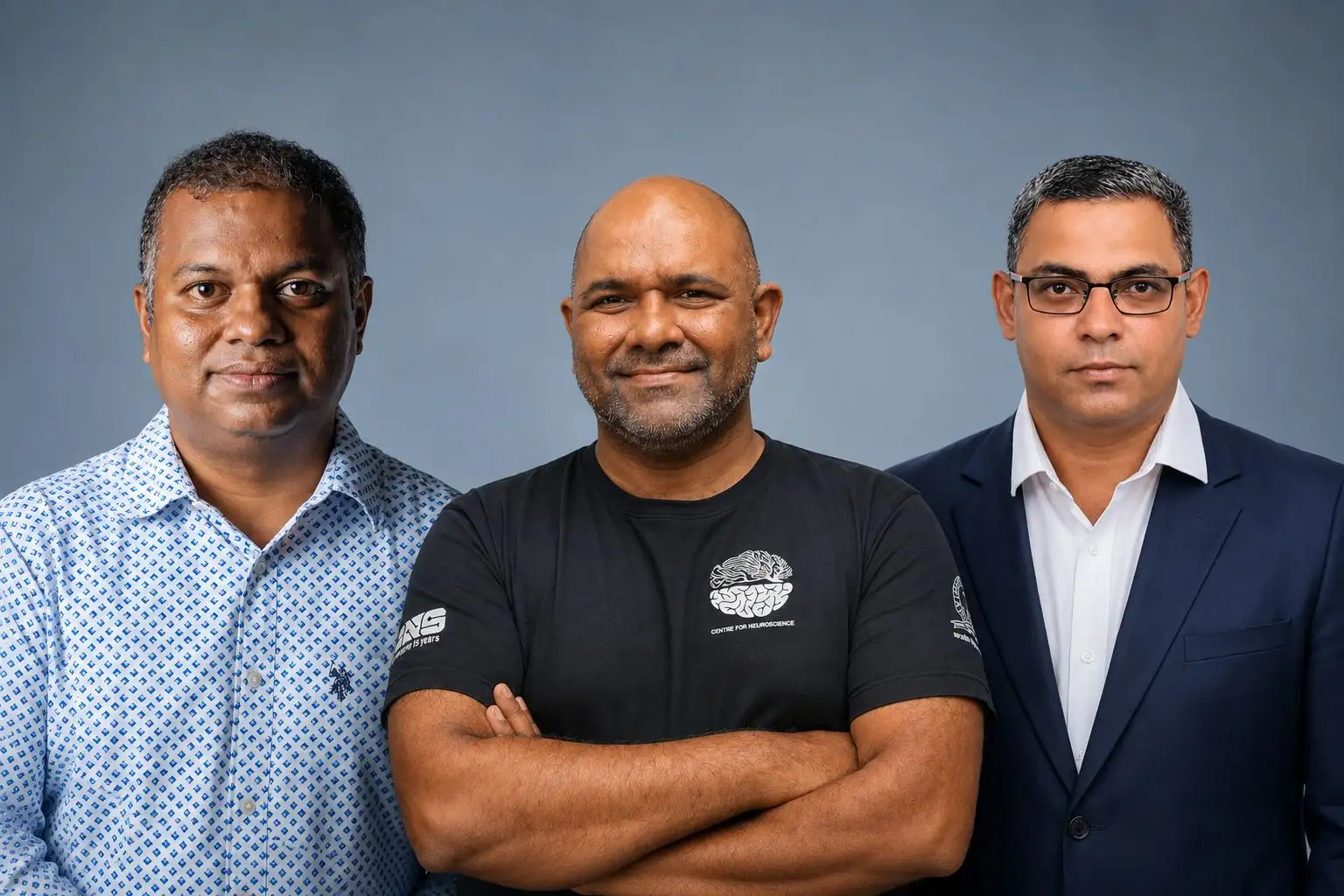
Founded by Dr Deepak Kumaran Nair, professor at the Centre for Neuroscience at the Indian Institute of Science (IISc), along with Lt Col Jojo Jacob and former CAMS Finserv chief executive Anish Mathew, Enlife believes its technology could make early diagnosis significantly more accessible and affordable in India.
“The biggest failure of Alzheimer’s care today isn’t the absence of treatments in trials; it’s that we find patients a decade too late to use them.
“Every diagnostic model the world has built so far was designed on Western cohorts, at hospital price points that don’t work for India. We started Enlife to close both gaps at once: detect the disease at the molecular stage, far ahead of the symptomatic stage, and do it through a simple blood draw that is both accessible and affordable,” Nair said.
Today, Alzheimer’s diagnosis relies largely on PET scans, MRI scans, and cerebrospinal fluid analysis, which are expensive, invasive, and generally identify the disease only one to two years before symptoms emerge.
Enlife is developing a blood-based test that currently analyses five to seven biomarkers, including amyloid beta and abnormal tau proteins, both recognised indicators of Alzheimer’s.
The company said it plans to eventually expand the panel to between 25 and 100 biomarkers, allowing its AI platform to identify complex biological patterns associated with Alzheimer’s and other neurodegenerative disorders much earlier.
“What previously took months of laboratory work can now be partially simulated using AI. It allows us to evaluate many more molecular candidates while significantly reducing both the time and cost involved,” Jacob said. He added that the company is currently between Technology Readiness Level (TRL) 3 and 4.
The startup has already demonstrated its proof of concept and is currently focussed on integrating its research into a single diagnostic platform that can eventually be deployed in hospitals and laboratories.
“Our business model is B2B,” Mathew said. “We will partner with hospital chains, diagnostic laboratories, and pharmaceutical companies. Hospitals and diagnostics companies can deploy the tests, while pharmaceutical companies can use the data for clinical research and drug development.”
The startup said it is collaborating with researchers associated with the Indian Institute of Science (IISc), the National Institute of Mental Health and Neurosciences (NIMHANS), the Tata Institute of Fundamental Research (TIFR), Hyderabad, and the Centre for Brain Research (CBR), Bengaluru, to build India-specific biomarker datasets.
It expects to begin filing patents over the next nine to 18 months covering biomarker binders, diagnostic assays, and its detection platform. Enlife is currently a pre-revenue company and plans to commercialise its technology through licensing.
Rajni Agarwal, director at Piper Serica, said the investment reflects the firm’s focus on deep-science companies solving large healthcare problems.
“India will have one of the world’s largest ageing populations within a generation, and neurodegenerative disease is the burden we are least prepared for,” Agarwal said.
“Enlife has the potential to detect Alzheimer’s up to 15 years early from a single blood sample at a price point that can reach tier 2 and 3 cities. This is technology designed not for a few, but for Bharat,” he added.
Beyond Alzheimer’s, the company said its broader ambition is to develop diagnostic tools for multiple forms of dementia and other neurodegenerative diseases, enabling earlier interventions and giving patients and families more time to plan treatment and long-term care before cognitive decline begins.