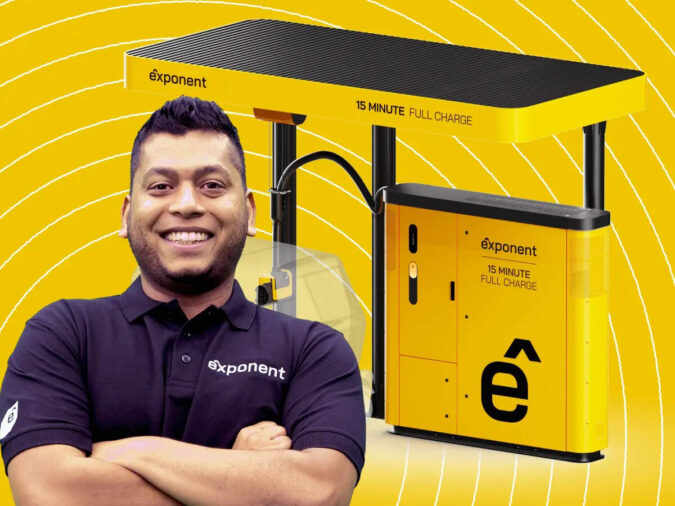
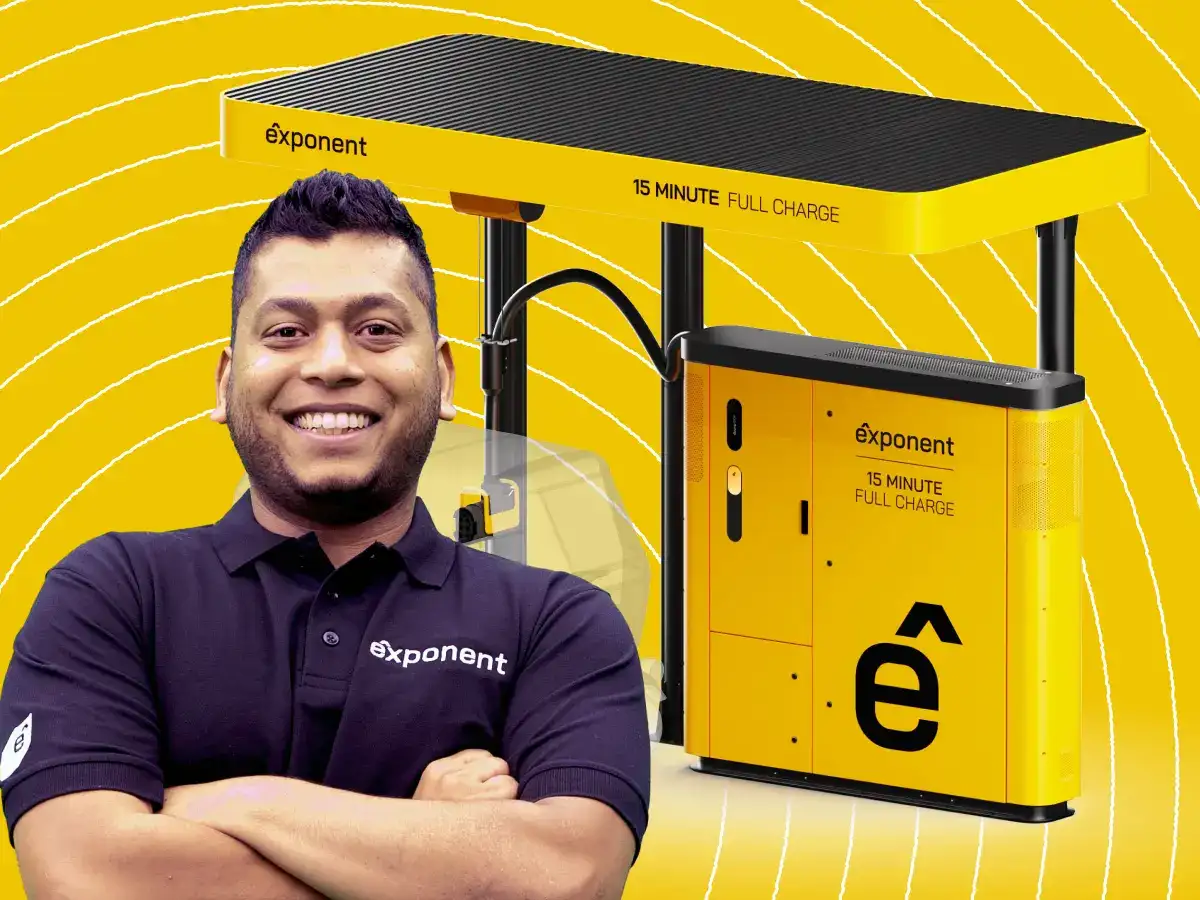
The round also saw participation from Hitachi Ventures, marking the global industrial investor’s first bet in India in the energy sector, along with existing backers Eight Roads Ventures, Lightspeed, 3one4 Capital, AdvantEdge VC and YourNest, which invested an additional $4 million through its Continuum Fund. The latest fundraising takes Exponent Energy’s total funding to $65.7 million.
Arun Vinayak, cofounder and CEO of Exponent Energy, said the company plans to use the capital to expand its charging network beyond Bengaluru and Delhi, enter new commercial vehicle segments and continue investing in research and development.
“As transportation becomes electric, energy management itself becomes a technology-first problem. In petroleum, energy access is mostly an infrastructure problem. In EVs, electricity is already everywhere – in homes, offices and cities,” Vinayak told ET, adding that Exponent Energy wants to become one of India’s largest energy companies.
Vinayak declined to comment on the company’s valuation. However, documents filed by the company with the corporate affairs ministry in March suggest a valuation of Rs 1,200-1,300 crore after this round.
Founded in 2020 by former Ather Energy executives Vinayak and Sanjay Byalal Jagannath, Exponent Energy operates across two broad businesses: a full-stack energy infrastructure platform comprising battery packs and rapid-charging stations for commercial EVs, and mobility-financing platforms including vehicle retrofits and financing solutions for fleet operators.
The company claims its technology can charge electric vehicles in 15 minutes while delivering a battery life of up to 3,000 charging cycles. It has expanded its technology stack from a 10 kWh three-wheeler battery pack to a 420 kWh bus battery pack.
Recently, Jagannath stepped down from his role as cofounder and moved into an advisor position, diluting a portion of his shares in the company. Vinayak said Jagannath’s departure was part of the transition for Exponent Energy as the company moves beyond a technology-validation phase after accumulating “millions of charging sessions” and years of field data for Exponent 2.0.
Vinayak also said that the company onboarded Sandeep Divakaran from Greaves Cotton, who ran the EV financing business there, as the cofounder CEO of Exponent One, the finance arm for commercial electric vehicles, to strengthen its leadership after Jagannath’s departure.
Exponent Energy currently operates about 200 charging stations across Bengaluru and Delhi, with a primary focus on electric three-wheelers.
“The first four to five years were focused on technology development, product development and proving reliability. Now the objective is to scale and put this technology in as many vehicles across India as possible,” Vinayak said.
Unlike most charging infrastructure providers that primarily cater to passenger vehicles, Exponent Energy is focused exclusively on commercial mobility. Vinayak said commercial vehicles account for only about 10% of vehicles on Indian roads but consume nearly 70% of transportation energy, making them a far larger opportunity for an energy company.
“For every dollar of battery we sell, we make three to four dollars on energy. Commercial vehicles are almost a 50 times more valuable market for us compared with two-wheelers,” he said.
Exponent Energy operates in a crowded EV infrastructure market that includes charging network players such as ChargeZone, Statiq, Tata Power EZ Charge, Bolt.Earth and Jio-bp Pulse.
Looking ahead, Vinayak said the company’s ambition extends beyond charging infrastructure. “Commercial vehicles are a $90 billion energy market and we think India has a strong right to win globally in this segment,” he added.