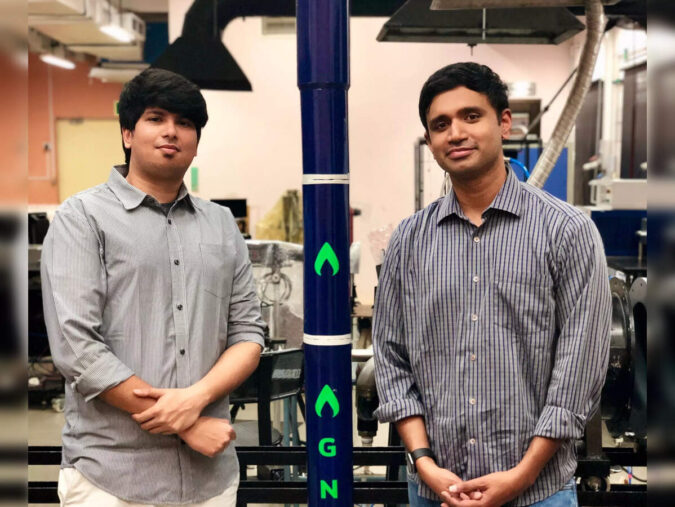
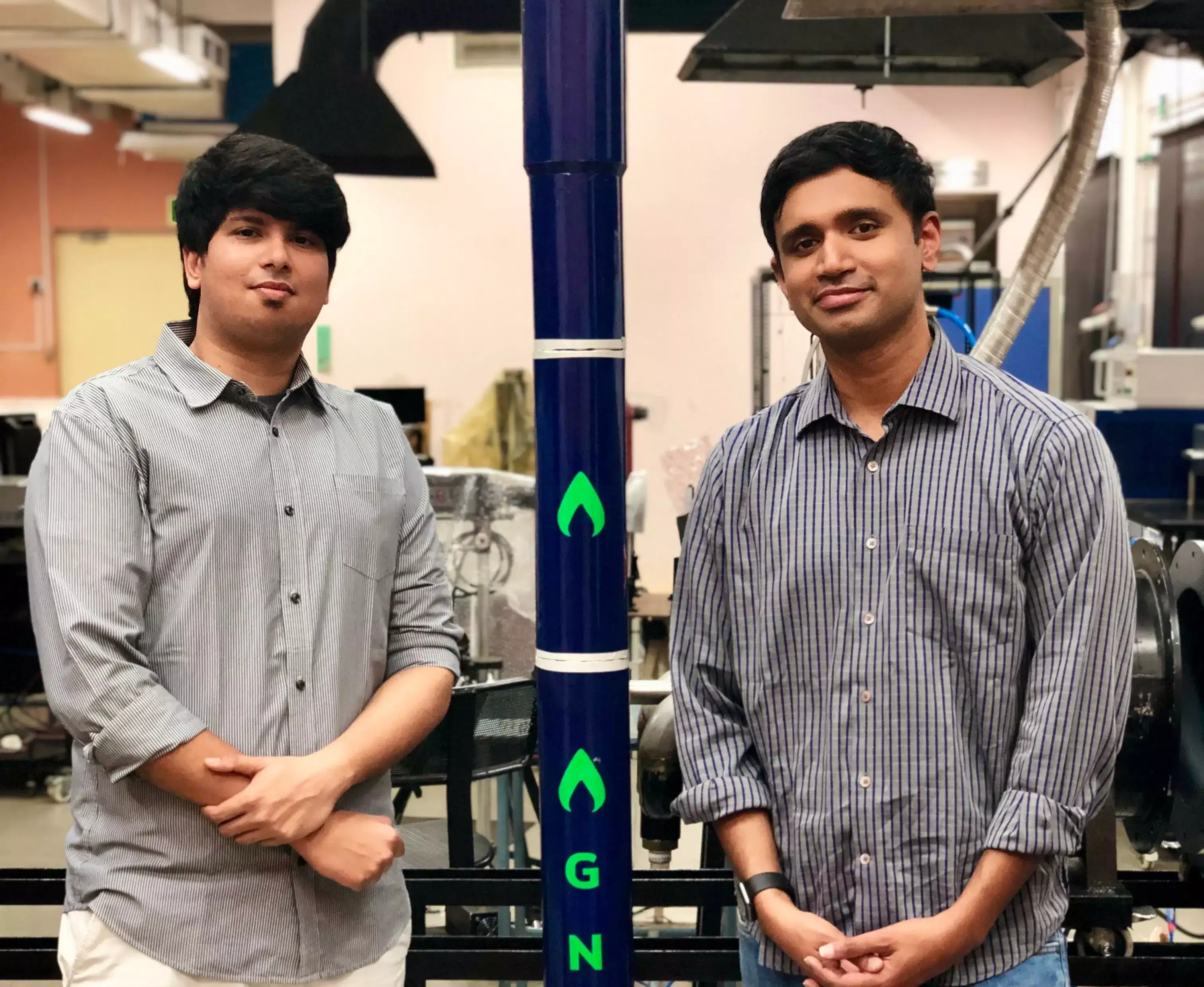
The fresh fundraise is being planned at a similar valuation as last November when Agnikul raised $17 million from HDFC Bank and 100X.VC, among others.
Agnikul’s funding talks track Skyroot Aerospace’s unicorn round, announced last week, underscoring heightened investor appetite for India’s nascent but growing private space industry as it shifts from technology development to commercial deployment.
Chennai-based Agnikul has held preliminary discussions with growth-stage investor Avataar Ventures, a backer of now publicly listed companies: Amagi, Capillary Technologies, RateGain, and other startups such as QpiAI, and InsuranceDekho.
Agnikul is also holding talks with a few existing shareholders, the people cited above said, requesting anonymity as the talks are private. The fundraising proceeds are expected to be used to expand Agnikul’s production capabilities, they added.
More new investors are also showing interest in the funding round, the people said, without elaborating.
Currently, the startup is backed by Celesta Capital, Artha Venture Fund, and Chiratae Ventures, among others.
In March 2026, the Tamil Nadu government, through TIDCO, invested Rs 25 crore in Agnikul.
“They have been discussing a new raise for a few months and are currently testing the market for a $50–75 million cheque,” said a person aware of the talks. “It will be part of the same Series C round. The discussions are still at a relatively early stage, and the contours may be finalised over the next few months. The founders are also trying for a slightly higher valuation.”
Also Read: Global demand will be a major revenue driver: newly minted unicorn Skyroot Aerospace CEO
Agnikul and Avataar Ventures didn’t respond to queries.
Private funding to India’s spacetech sector more than doubled in 2025 to $196 million across 55 deals, according to Tracxn. This year, so far, companies have already crossed the $100 million mark, with Skyroot becoming the first in India’s private space sector to attain unicorn valuation. Interestingly, Skyroot is currently pre-revenue, making it a rare example of a company attaining a unicorn valuation before generating revenue.
Another launch vehicle startup, Ethereal Exploration Guild raised $20 million this January with a 5.5 times jump in valuation to $80.5 million. Satellite startup, Dignatara too closed a $50 million round in January.
ET reviewed an investor pitch deck of Agnikul, an IIT-Madras incubated company, which projected more than $200 million in revenue from soft commitments, 35 planned launches between 2026 and 2028, and over 20 customers onboarded. The startup also projected “long-term” $100 million in annual revenue with gross margins of around 70% at scale.
Looking westwards for funds
A deeptech VC aware of the matter said spacetech startups such as Agnikul are increasingly seeking capital from US-based venture funds, which are seen as more willing to back long-gestation businesses with larger cheques and higher valuations.
“Patient capital is becoming tougher to find in the Indian market for deeptech and spacetech companies,” this person said. “Skyroot’s round itself took close to six months to close.”
Investors are also closely evaluating launch vehicle specifications, payload capacity, and technology readiness while backing spacetech ventures.
While Skyroot and Agnikul are competitors in the small satellite launch market, a fund manager said Agnikul could face relatively tougher fundraising conditions due the complexity of its technology roadmap.
Agnikul is developing modular launch vehicles powered by fully 3D-printed engines, targeting payloads of up to 300 kg. The company is also building mobile launchpad systems aimed at enabling launches from multiple locations.
Skyroot, which is also using 3D-printing technologies, operates in the larger 480 kg payload category through its Vikram launch vehicle family.
Also Read: Skyroot Vikram-1 rocket is raring to soar high
The two startups are taking different propulsion approaches. Skyroot’s Vikram-1 uses solid-fuel propulsion for its primary lift stages, a relatively mature and widely tested technology known for reliability and manufacturing simplicity.
Agnikul, meanwhile, is building semi-cryogenic engines powered by liquid oxygen and kerosene. While the technology is considered more efficient and advanced, it is significantly harder to develop and operationalise. Indian Space Research Organisation is itself still in the final stages of testing its semi-cryogenic engine programme.
EtherealX, on the other hand, is building reusable rockets, which would bring back both the booster and the upper stages of the rocket after launch. However, the startup’s rockets are in the medium-lift category, designed to carry up to 24.8 tonnes (24,800 kg) to Low Earth Orbit (LEO).