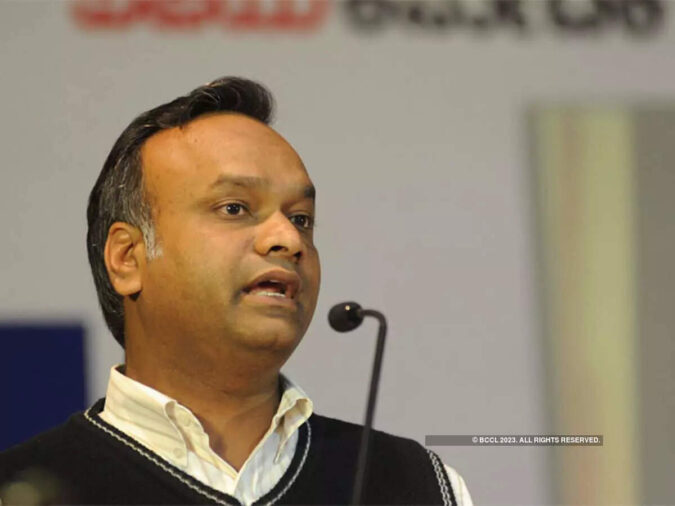
Addressing a SpaceTech ecosystem consultation organised by the department of electronics, IT/BT in Bengaluru, the minister said Karnataka was well placed to drive the next phase of India’s commercial space growth through capabilities spanning innovation, advanced manufacturing, upstream and downstream applications, and data-led services.
“Common testing and validation infrastructure can significantly reduce barriers for startups and MSMEs while accelerating product development cycles and commercial readiness,” Kharge said. “Space data is becoming foundational to the new-space economy, with applications across agriculture, climate resilience, logistics, disaster management and governance. Karnataka must lead not only in launches and innovation, but across the entire space value chain.”
The consultation brought together startups, academia, industry bodies and institutional stakeholders to discuss measures to strengthen Karnataka’s SpaceTech ecosystem.
A key focus area was the proposed establishment of a Common Assembly, Integration and Testing (AIT) facility in the State, particularly for functional and environmental testing requirements of startups and manufacturers.
Officials from the IT/BT department said suitable land parcels around Bengaluru would soon be evaluated, with work on advanced testing infrastructure expected to begin in the coming weeks under a public-private partnership (PPP) model. Stakeholders also discussed mechanisms to improve access to testing infrastructure available across government institutions, industry and academia.
The meeting began with an overview of the recently launched Centre of Excellence (CoE) for Space Technology, unveiled by the department on May 1, followed by discussions on manufacturing, skilling, infrastructure and data-driven opportunities in the emerging new-space economy.
Participants also explored the development of dedicated space manufacturing parks and cluster-based industrial ecosystems in line with the State’s Space Policy. Discussions further focused on strengthening SME participation in the space supply chain and aligning workforce development initiatives under the department’s NIPUNA skilling programme.
IT/BT Secretary N Manjula said Karnataka was the first State to release a draft Space Policy, reflecting its early push to build a globally competitive commercial space ecosystem.
“Our policy vision is anchored in long-term ecosystem leadership spanning infrastructure, manufacturing, research, talent development and industry collaboration,” she said.
Representatives from startups and organisations including Pixxel, KaleidEO, Astrogate Labs, SkyServe, GalaxEye, Ananth Technologies, Centum Electronics, HAL, BHEL, Raman Research Institute and Indian Institute of Astrophysics participated in the consultation.