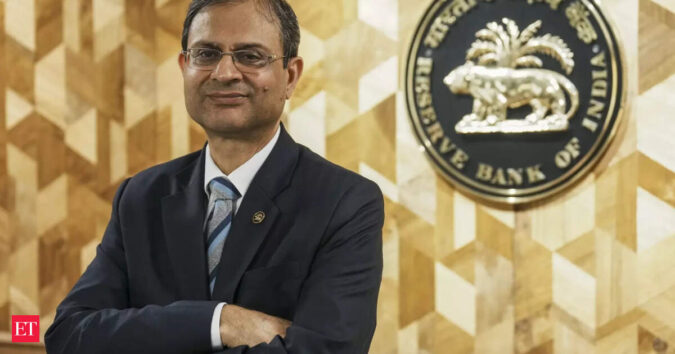
The decision of the six-member Monetary Policy Committee (MPC), headed by Reserve Bank Governor Sanjay Malhotra, will be announced on Wednesday.
Also read: RBI expected to hold rates steady in first monetary policy since West Asia conflict
The RBI has cut rates by a total of 125 basis points since February 2025, marking its most aggressive easing cycle since 2019. It last reduced the rate by 25 basis points in December and maintained status in its last meeting in February.
According to experts, the MPC members will take into account the continuing geopolitical tensions in West Asia, volatility in commodity prices and sharp currency movement hitting the value of the domestic currency.
They noted that while retail inflation has moved closer to the RBI’s medium-term target of 4 per cent, the recent surge in global crude oil prices has raised concerns about potential second-round effects on domestic prices, particularly fuel, transportation, and core inflation components.
Also read: Measures to address the war’s fallout lie outside MPC’s remit – GoI and RBI must step up As per estimates, every USD 10 increase in crude prices per barrel stokes inflation by up to 0.60 per cent.
Crude prices, which were in the USD 60 per barrel vicinity for a long time, have hardened to over USD 100 since the start of the conflict in late February.
Additionally, the rupee has depreciated by over 4 per cent since the war, which has consequences for pushing up import inflation.
Experts are also of the view that the central bank will retain its current policy neutral stance in the upcoming review, reflecting a preference to maintain flexibility amid evolving inflation dynamics and global uncertainties.
Also read: RBI MPC Meeting: India seen holding rates as ‘Goldilocks’ phase gives way to stress
The tone of the policy is expected to remain cautious and watchful, with policymakers likely to highlight upside risks to inflation from volatile crude oil prices and geopolitical tensions.
Economists further said liquidity conditions, transmission of past rate changes, and financial market stability will remain key considerations for policymakers.
The RBI is also expected to closely monitor currency movements, capital flows, and bond market dynamics while calibrating its policy stance.
The government has asked the Reserve Bank to maintain retail inflation at 4 per cent with a margin of 2 per cent on either side for another five years ending March 2031.
India, it may be recalled, adopted the inflation-targeting framework in 2016 and the six-member MPC was given the mandate to maintain annual inflation at 4 per cent until March 31, 2021, with an upper tolerance of 6 per cent and a lower threshold of 2 per cent. The framework has been retained since then.
According to the latest data, retail inflation in the country rose to 3.21 per cent in February from 2.74 per cent in the preceding month.