Freight costs for shipments to Europe and the US have risen 60–80 per cent, largely due to rerouting via the longer African route and additional war-related surcharges imposed by shipping lines. The base freight increase alone is estimated at over 40 per cent, according to the Calcutta Customs House Agents Association (CCHAA). Export volumes have dropped by as much as 50 per cent for some exporters, while container shortages and a lack of clarity on freight rates have further stalled fresh shipments.
Around 600 containers that had reached Kolkata port for loading have been returned following last-minute cargo cancellations, with nearly 400 already moved back and the rest in the process. Exporters said shipping lines are not accepting new containers and are withholding freight details, forcing firms into a wait-and-watch mode.
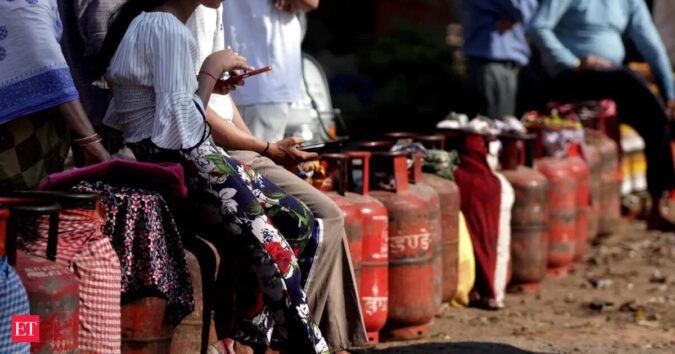
The disruption has been compounded by an LPG shortage, which is affecting production in sectors such as engineering goods where the fuel is used in finishing processes. Industry executives described the situation as “dire,” warning that what is typically the busiest export month could turn into the weakest.
Engineering goods exporters, who had expected modest growth of 3–3.5 per cent this fiscal, now anticipate flat performance as geopolitical disruptions wipe out gains made earlier in the year. Although the rupee has weakened, exporters say they are unable to capitalise on it due to logistical bottlenecks and order execution challenges.
Perishable shipments, particularly seafood such as shrimp and fish, have been among the worst hit, along with textiles, engineering goods and medicines bound for Europe. While pharmaceutical exports are being routed via air, last-minute flight cancellations and mid-air rerouting are pushing up air freight costs as well.
On the policy front, exporters acknowledged government relief measures but flagged gaps in implementation. The freight neutralisation scheme offering 50 per cent reimbursement has been announced, but exporters say a lack of clarity on total benefits is complicating cost calculations.Authorities have taken some steps to ease the pressure. The port trust and related agencies have offered tariff reductions, while regular stakeholder meetings are being held to address bottlenecks. Separately, Jawaharlal Nehru Customs House earlier directed shipping lines to pass on relief provided by the port authority, including waivers on ground rent, dwell time charges and reefer plug-in fees for stranded containers.
The government has also approved the ₹497 crore ‘RELIEF’ scheme under the Export Promotion Mission, aimed at cushioning exporters from conflict-related disruptions. The scheme offers up to 100 per cent risk coverage for shipments affected during mid-February to mid-March, and up to 95 per cent coverage thereafter until mid-June. MSME exporters without existing cover are eligible for up to 50 per cent reimbursement of freight and insurance surcharges, capped at ₹50 lakh per exporter.
Despite these measures, exporters remain cautious. “The crisis persists and the environment remains uncertain,” an industry representative said, expressing hope that upcoming discussions with shipping lines may help ease cost pressures.