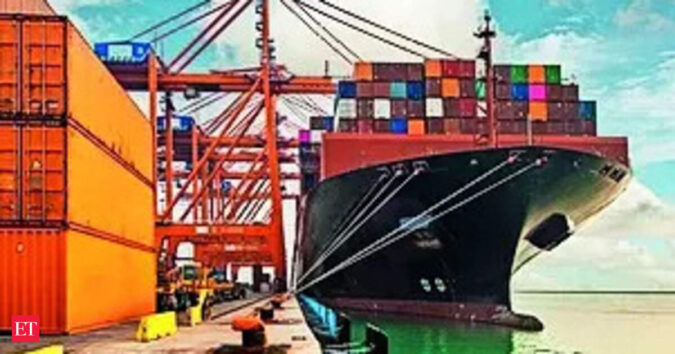
Any impact on maritime traffic on the Red Sea and the Strait of Hormuz could hurt shipments, including textiles and other goods, to the Western markets as well.
Also read: Israel attacks Iran with US’ help amid nuclear talks; Tehran hits back with missiles
“Shipping activities through the Red Sea and Strait of Hormuz will get impacted and goods will have to be shipped through the Cape of Good Hope. This will take 15-20 days more for the exported goods to reach the destinations,” said Ajay Sahai, director-general and chief executive of the Federation of Indian Exports Organisation.
Freight rates would go up and insurance premiums surge, Sahai said. “We have to see how long this tension continues. If it continues for long, then there will be pressure on the rupee and the dollar will go up,” he said.
The Middle East and Africa are major buyers of India’s basmati and non-basmati rice. The Middle East is also a larger importer of premium orthodox tea from India.
Also read: Israel attacks Iran with US’ help amid nuclear talks; Tehran hits back with missiles“Shipments to the region will come to a standstill as the tension between Iran and Israel has escalated,” said Mohit Agarwal, director of Asian Tea that exports to West Asia, including Iran. Exports of rice to Africa, which has touched ₹30,168 crore in the first 10 months of FY26, will also get impacted apart from exports to Iran, he said.
According to Indian Rice Exporters Federation vice-president Dev Garg, the Middle East bought basmati rice worth ₹31,533 crore and non-basmati rice of ₹5,212 crore in the first 10 months of the current fiscal year. “But suddenly this tension between Israel and Iran has created an air of uncertainty. Exports to Africa will also be impacted due to this. We will get in touch with buyers on Monday to understand the situation,” he said.