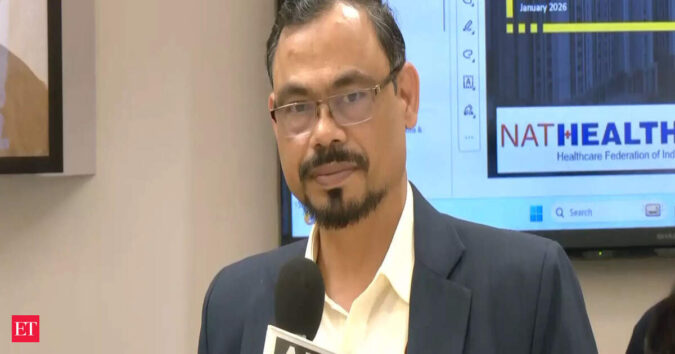
“The major takeaway is that we have done well in this quarter. We have done much better compared to the previous quarter. Exports, we had 8.5 per cent compared to the import growth of 4.5 per cent,” Sahoo told ANI on the sidelines of the release of the sixth edition of Trade Watch Quarterly, a publication that provides a snapshot of India’s trade developments and emerging opportunities for evidence-based policy interventions.
The latest edition of the quarterly report places a thematic focus on India’s electronics trade, examining the country’s export performance across categories and its participation in the global electronics value chain.
Sahoo said the global electronics market is valued at USD 4.6 trillion, presenting significant opportunities for India to scale up its share, which currently stands at around 1 per cent.
“There is a huge market available in the world,” he said, adding that India could increase its share, particularly under the policy focus on electronics manufacturing.
He pointed to the Union Budget allocation of Rs 40,000 crore aimed at facilitating electronics component manufacturing, noting that while India has done well in assembly, greater emphasis is now being placed on components.
According to the report, exports in the quarter were driven by both merchandise and services, each growing at around 8.5 per cent, while import growth remained comparatively moderate at 4.5 per cent. India’s top export regions accounted for 89 per cent of shipments, growing at 7.7 per cent year-on-year, led by North America and the European Union. The import growth of 4.7 per cent was led by East Asia and Latin America. Electronics has emerged as a strategic pillar in India’s manufacturing transformation and is now the second-largest item in the country’s export basket, the report said. Mobile phone exports have reached close to USD 50 billion, reflecting recent gains in the sector.
However, the electronics trade deficit has widened over time, rising from USD 35 billion in 2016 to nearly USD 60 billion, as domestic demand for electronics products remains strong and imports of key components continue.
Sahoo also highlighted the growing importance of South-South trade. India’s exports to developing countries increased fourfold from USD 56 billion in 2005 to USD 250 billion, indicating diversification beyond advanced economies.
On free trade agreements, Sahoo said India has signed “almost 8 or 9 FTAs,” which provide improved market access by reducing tariff and non-tariff barriers. “It is an opportunity for all the segments, including the electronics market,” he said.
Addressing concerns about labour availability in manufacturing, Sahoo said it was not a shortage issue but one of increasing participation. “There is enough evidence right now that labour force participation has been increasing in the last five years,” he said, adding that India’s export performance reflects resilience amid global uncertainties.
The report also underscored the need to move beyond assembly towards higher domestic value addition in components, engineering and advanced manufacturing to sustain long-term competitiveness.