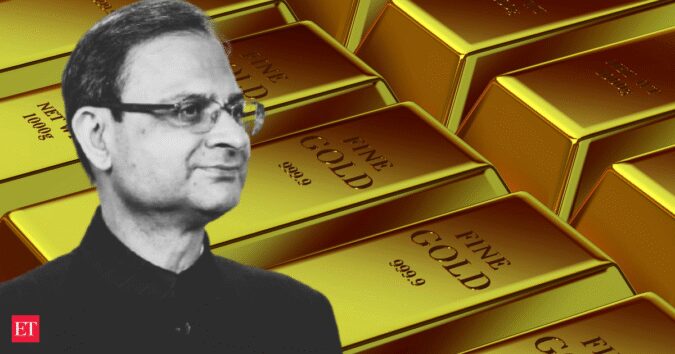
Elevated prices of the two precious metals have prompted a reassessment of inflation dynamics, even as broader price conditions remain largely benign.
The RBI noted that core inflation—measured as CPI excluding food and fuel—has stayed contained despite the pick-up in precious metals prices. Excluding gold, core inflation remained stable at 2.6% in December, underscoring that underlying price pressures outside the precious metals segment continue to be muted.
“The slight upward revision in the inflation outlook is primarily due to increase in prices of precious metals, which contribute about 60-70 basis points,” the MPC statement by the RBI said.
Excluding precious metals, the RBI stressed that underlying inflation pressures remain low, with risks evenly balanced and headline inflation still expected to stay near the target over the coming quarters.
The central bank expects food inflation to remain under control in the near term, supported by healthy kharif output, adequate foodgrain buffer stocks and favourable rabi sowing. Core inflation, barring potential volatility driven by precious metals prices, is expected to remain range-bound.
Find Key Takeaways from the RBI MPC 2026-27 hereHowever, the RBI cautioned that geopolitical uncertainty, energy price volatility and adverse weather events pose upside risks to inflation. It added that unfavourable base effects could lead to a pick-up in year-on-year headline inflation towards the end of 2025–26, even if underlying momentum remains soft.
The Bullion Play
Gold and silver prices have surged over the past year amid heightened global uncertainty and geopolitical tensions, reinforcing their status as safe-haven assets.
Prices of the two precious metals have risen sharply, driven by a weakening US dollar, expectations of persistently negative real interest rates, and investors’ growing focus on geopolitical and financial tail risks.
The yellow metal closed at Rs 1,48,860 per 10 grams on Thursday after a 1.24% decline.
 ET Online
The yellow metal closed at Rs 1,48,860 per 10 grams on Thursday after a 1.24% decline.
The recent rally has been marked by volatility. While domestic prices recently eased from record highs, both gold and silver have seen sharp swings across retail markets, futures and exchanges. International prices have also remained choppy, reflecting shifting risk sentiment and rapid position changes by global investors.
Also Read: FY26 forecast rises slightly to 2.1%, Q4 at 3.2%
In a December report, the RBI noted that gold has retained its role as the most stable safe-haven asset at a time when geopolitical tensions have triggered sharp volatility across global markets. The central bank observed that while crude oil prices tend to be the most sensitive to global shocks, gold has shown a strong upward long-term trend, with notable surges during periods of systemic stress such as the global financial crisis and the Covid-19 pandemic.
India’s exposure to precious metals is amplified by its structural dependence on imports. The country meets the bulk of its gold demand through overseas purchases, making domestic prices sensitive to global price movements and currency fluctuations. A weaker rupee further raises the local cost of gold and silver, feeding into household consumption and investment demand.
Strong investor interest has also led to rising allocations to gold-linked financial products. Inflows into gold exchange-traded funds have surged in recent years, reflecting growing demand for hedging against inflation, currency depreciation and global uncertainty. Analysts expect this trend to continue as long as macroeconomic risks remain elevated.
India remains one of the world’s largest consumers of gold, driven by cultural preferences, investment demand and its role as a store of value. With households holding a significant stock of gold and imports accounting for a large share of domestic supply, movements in precious metals prices have a more direct bearing on inflation dynamics than in many other economies.
The latest Economic Survey has also flagged that gold and silver prices are likely to remain elevated unless geopolitical tensions ease and trade-related uncertainties subside. Against this backdrop, the RBI’s decision to explicitly factor precious metals into its inflation assessment reflects the growing influence of these assets on domestic price trends.