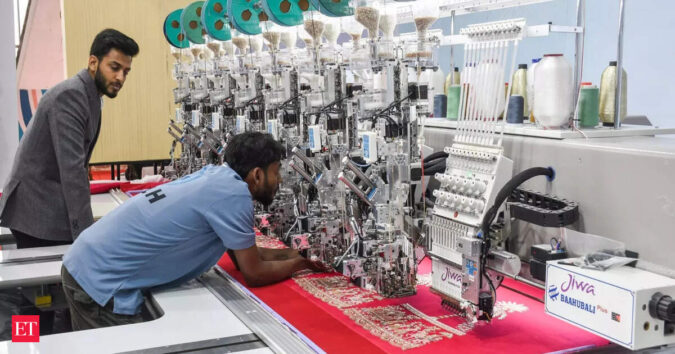
A large garment exporter said the announcement came late on Monday, when he was attending a private gathering, and was quickly followed by calls with US clients as business dynamics shifted overnight.
Until then, the exporter had been exploring shifting part of his operations to Sri Lanka, Kenya and Indonesia at the behest of buyers, but by Tuesday morning he had asked his team to pull out a list of consignments currently in transit to the US.
With tariffs expected to drop to 18%, the $1.50 per garment discount being offered to buyers will no longer apply to shipments reaching US ports after the deal takes effect. “There will either be a revised invoice or an upcharge,” the exporter said, adding that the company had been absorbing losses of around Rs 50 crore.
Exporters across sectors spent much of Tuesday renegotiating terms with buyers, as orders for the next season are currently being finalised.
“The timing has been very good,” said Sudhir Sekhri of Trendsetters, a womenswear exporter. “Buyers are pleased, discussions are moving fast, and the focus now is on scaling up, expansion and skilling.”
Leather goods exporters, however, said the relief had come too late for the upcoming season. “We’ve missed this cycle and will have to wait,” said M Rafeeque Ahmed, chairman of the Farida Group, noting that some orders had already been shifted to factories overseas.The gems and jewellery sector welcomed the move but said clarity was needed on the final terms. “Lower tariffs will reduce costs for US importers and improve the competitiveness of Indian diamond jewellery in our largest market,” said GJEPC chairman Kirit Bhansali, while reiterating the demand for zero-duty access.
Jewellery exporters said business would pick up once details emerge. “The sentiment is positive and we will be back in business after buyers work through existing inventory,” said Colin Shah, managing director of Kama Jewelry.
Leather exporters cautioned that the window of opportunity may be brief. “We’ve already waited six months,” said Ramesh Kumar Juneja, who heads the Council for Leather Exports. “The impact may last another month or two at best.”
(With inputs from TOI)