Budget 2026: FM bets on seven high-speed rail corridors to drive growth
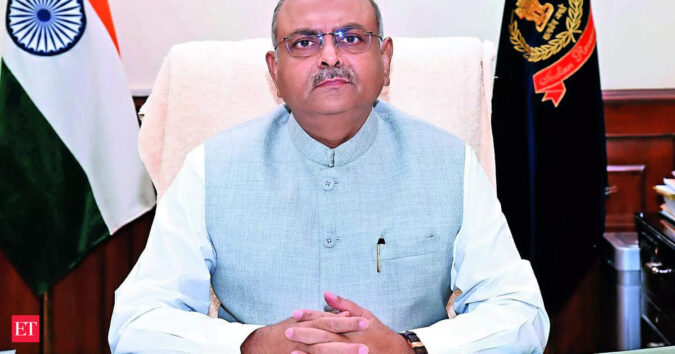
The chairman assured that the tax department is not here to punish or penalise and taxpayers will get multiple opportunities to settle disputes early, with assessment and penalty proceedings consolidated.
A one-time window has been opened for disclosure of undisclosed foreign income and assets to help genuine cases come clean, yielding ?99,000 crore in foreign asset disclosures so far.
Also Read: 7 pains from Budget 2026 that will hit middle-class taxpayers hard
Explaining the hike in securities transaction tax (STT) on derivatives, he said, is intended to curb excessive speculation, especially among retail investors and overall transaction was about 500 times of India’s GDP. He said that the reforms regarding the minimum alternative tax (MAT) will push more companies to the new tax regime, adding that the government will honour all accumulated MAT credit up to March 31 for companies shifting to the new 22% tax regime.He ruled out any sunset clause for the old regime, even with 88% of the individual taxpayers shifting to the new tax regime, giving taxpayers flexibility.
Budget 2026: Here’s all that India Inc gets from Sitharaman’s budget
He added the safe harbour provisions give tax certainty to the sunshine sectors, retaining the attractiveness of India for investors. “These structural changes are about comfort, clarity and certainty for the taxpayer,” he said, adding the budget reforms mark the second phase of the income tax overhaul, first being correcting the language part of the law.
He added that the centre will come up with the draft rules by the end of this month. The chairman said the central feature of the reform package is faster dispute resolution. “Now, at each stage, the opportunity to resolve the dispute has been provided to the taxpayer,” the chairman said. “The idea is to bring certainty and close matters early.” The budget has proposed to consolidate assessment and penalty proceedings, cutting timelines that earlier stretched to four or five years and decriminalised several defaults in line with the government’s Jan Vishwas agenda.