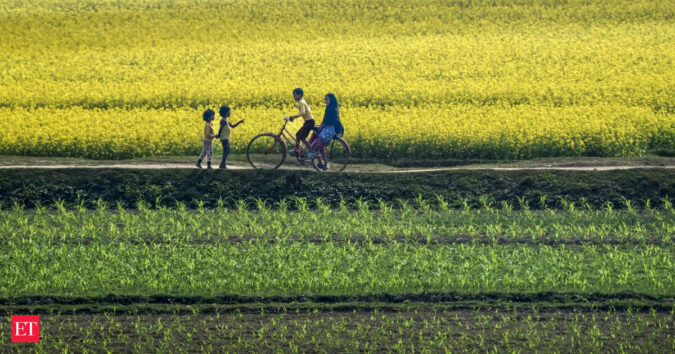
SEA had engaged Agriwatch as the official agency for rape- mustard crop survey for 2025-26. The report has highlighted the mustard crop scenario in these states. The report indicates that in most the states the crop condition is normal.
Mustard sowing in Rajasthan was completed on time, but early-season excess rainfall in September and October affected early-sown crops, necessitating some re-sowing in low-lying areas. Over the past 30-35 days, clear weather and favourable soil moisture and temperatures supported smooth crop recovery.
Also Read:
The crop in Rajasthan is now 35-50 days old, mostly at the branching to flowering stage, while early-planted and early-maturing varieties have reached pod formation and development. Farmers are cultivating long-duration hybrid varieties and applying first irrigation with nitrogen at flowering stage, supporting crop growth.
In Uttar Pradesh, mustard sowing progressed well despite unseasonal rainfall in October that affected germination in some districts. Dry and favourable conditions through November and the first fortnight of December allowed the crop to recover. Currently, the crop is 45-60 days old, mostly at flowering to pod formation, with early-sown and short-duration varieties advancing to pod development and seed formation.
Adequate soil moisture and favourable temperatures supported growth, while sucking pest incidences remain below threshold. The health of re-sown or late-sown fields is slightly below timely-sown crops, but overall, the mustard crop condition is normal.Mustard crops in Madhya Pradesh faced stress in late October due to unseasonal and excess rainfall, particularly in low-lying areas, which temporarily affected establishment. Favourable clear weather, soil moisture, and slightly below-normal temperatures through November and early December aided recovery. The crop is now 50-65 days old, at peak flowering to pod formation, with early-sown fields at pod development to seed formation, while late-sown and re-sown crops remain at branching stage.
In Haryana, mustard sowing was timely, but early October rains impacted germination in some areas. Favourable weather during November and the first fortnight of December, along with adequate soil moisture and favourable temperatures, supported crop growth. The crop is 45- 60 days old, at peak vegetative to flowering/pod formation, with early-planted or early- maturing fields advancing to flowering, pod development, and seed formation. Re-sown crops are slightly below normal, and no significant pest incidences have been reported. Overall, the crop condition is normal.
Mustard sowing in West Bengal progressed steadily, with early-planted fields now 35-55 days old, at branching to flowering initiation, while pod formation has started in early fields. Excessive rainfall in early November initially affected crop health in districts such as Jalpaiguri, Maldah, Alipurduar, Dakshin Dinajpur, Uttar Dinajpur, and Cooch Behar. Clear weather and absence of rainfall during the second fortnight of November and first fortnight of December, along with favourable temperatures, supported crop recovery. No pest incidences have been reported, and overall crop condition is normal.
In Assam, mustard sowing has been completed, with the crop now 20-35 days old, at the vegetative to branching stage. Early-planted fields have reached peak vegetative growth. Earlier rainfall ensured adequate soil moisture, while the absence of rainfall in the first fortnight of December and favourable temperatures supported crop establishment. Overall, the crop condition is normal.
Mustard crops in Gujarat are 45-60 days old, at flowering to pod development, with early- sown fields progressing to seed formation. November and early December were mostly dry, but adequate soil moisture and favourable temperatures supported growth. Sucking pest incidence is low and below threshold. Overall, the crop condition is normal.
Mustard sowing in Bihar was timely, aided by adequate rainfall in early October, and the crop is now 35-50 days old, at branching to flowering initiation, with early-sown fields at pod formation. Dry conditions in November and early December, along with favourable temperatures and soil moisture, supported crop growth. Sucking pests have been observed at low levels. Overall, the crop condition is normal.